

Awfully Beautiful Kaamoskivi.
Polar Night Stone
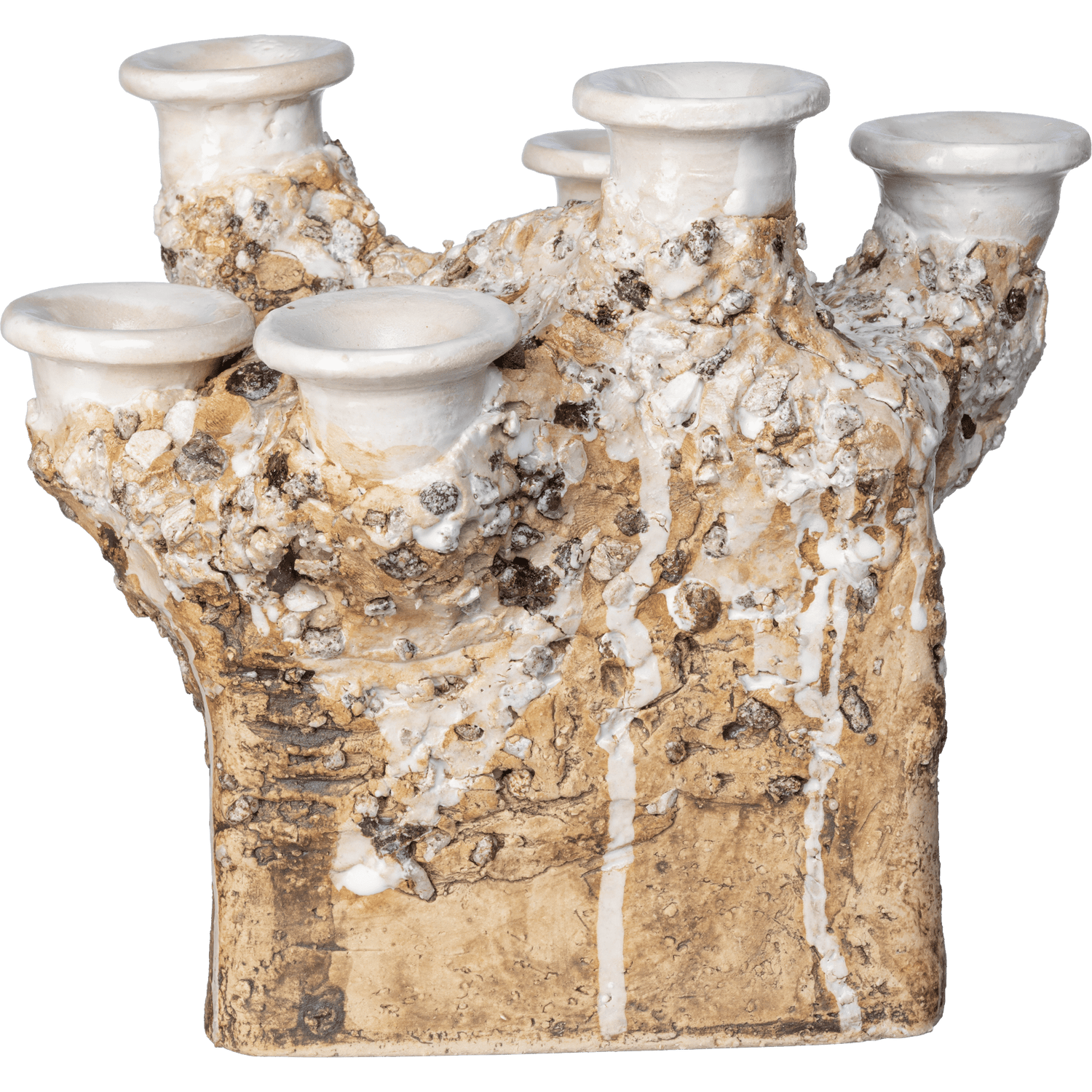
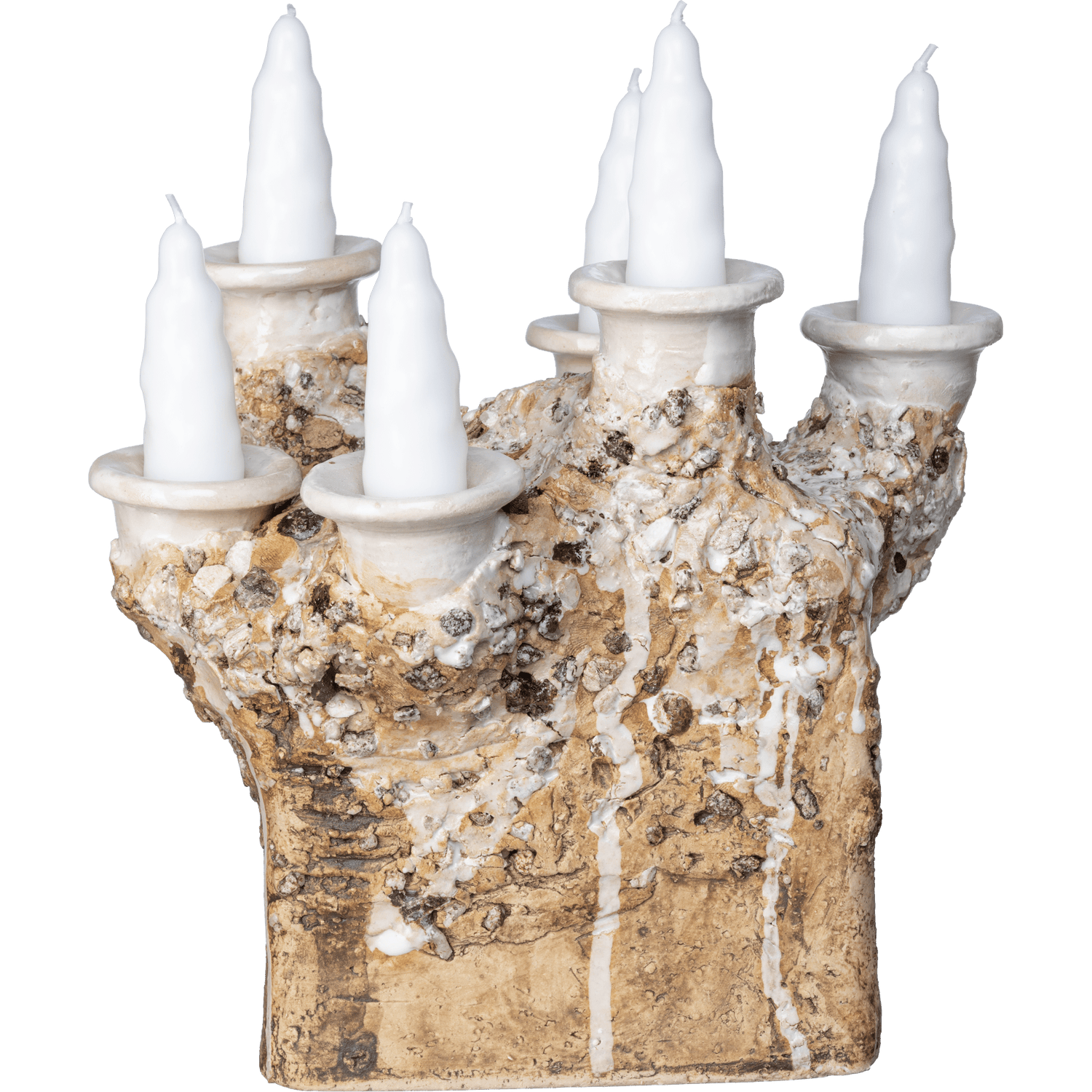
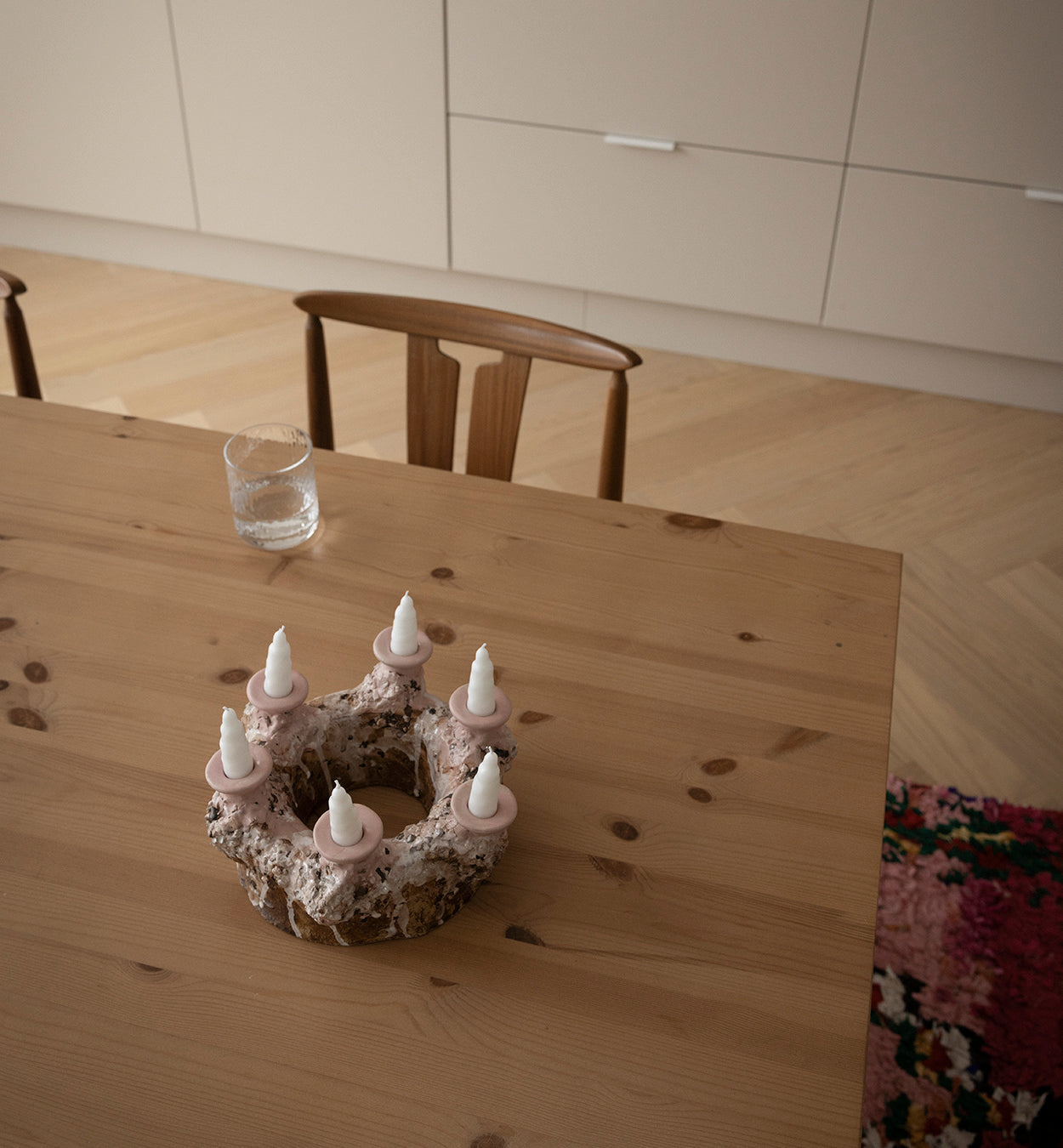
Kaamoskivi Candle Holder Six branches
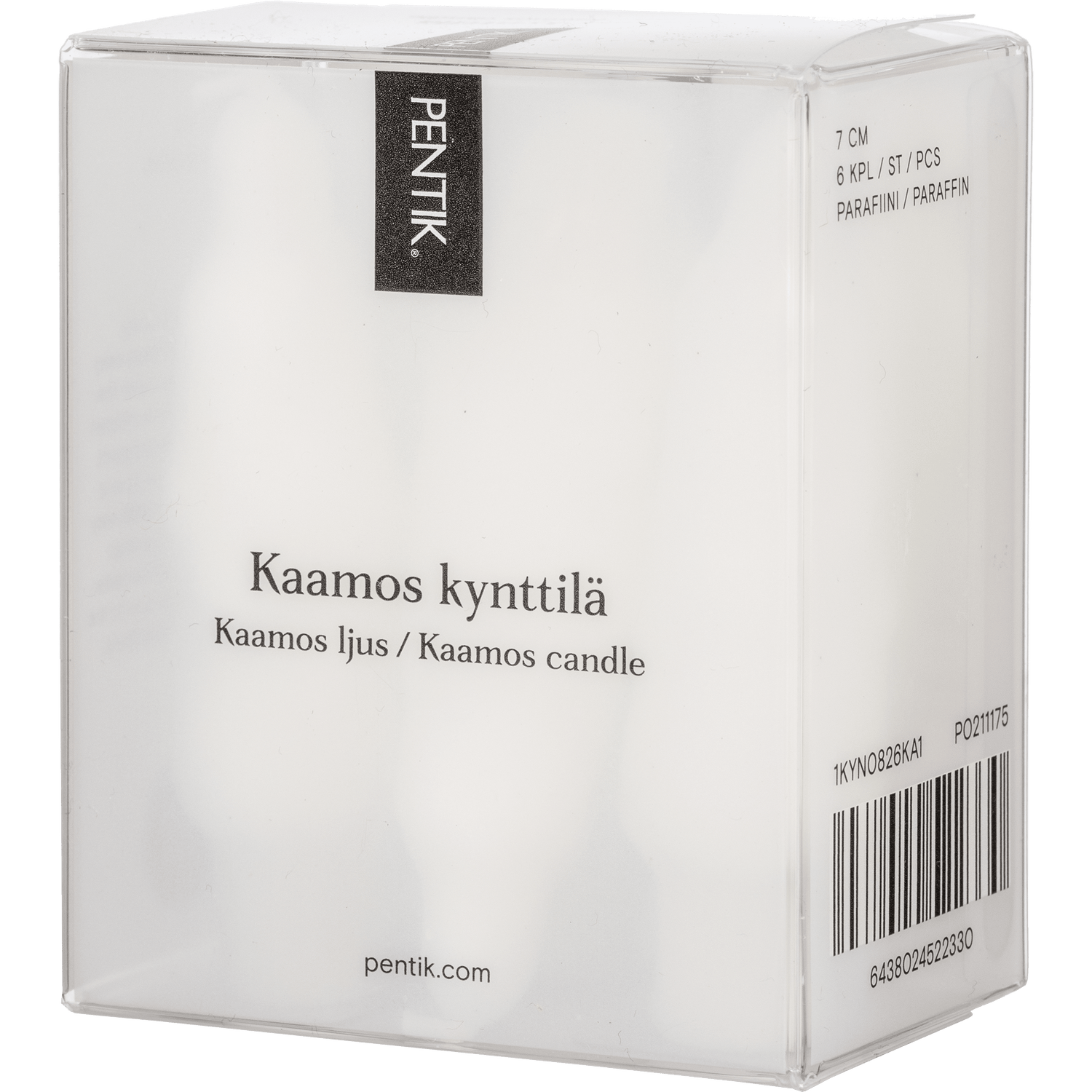
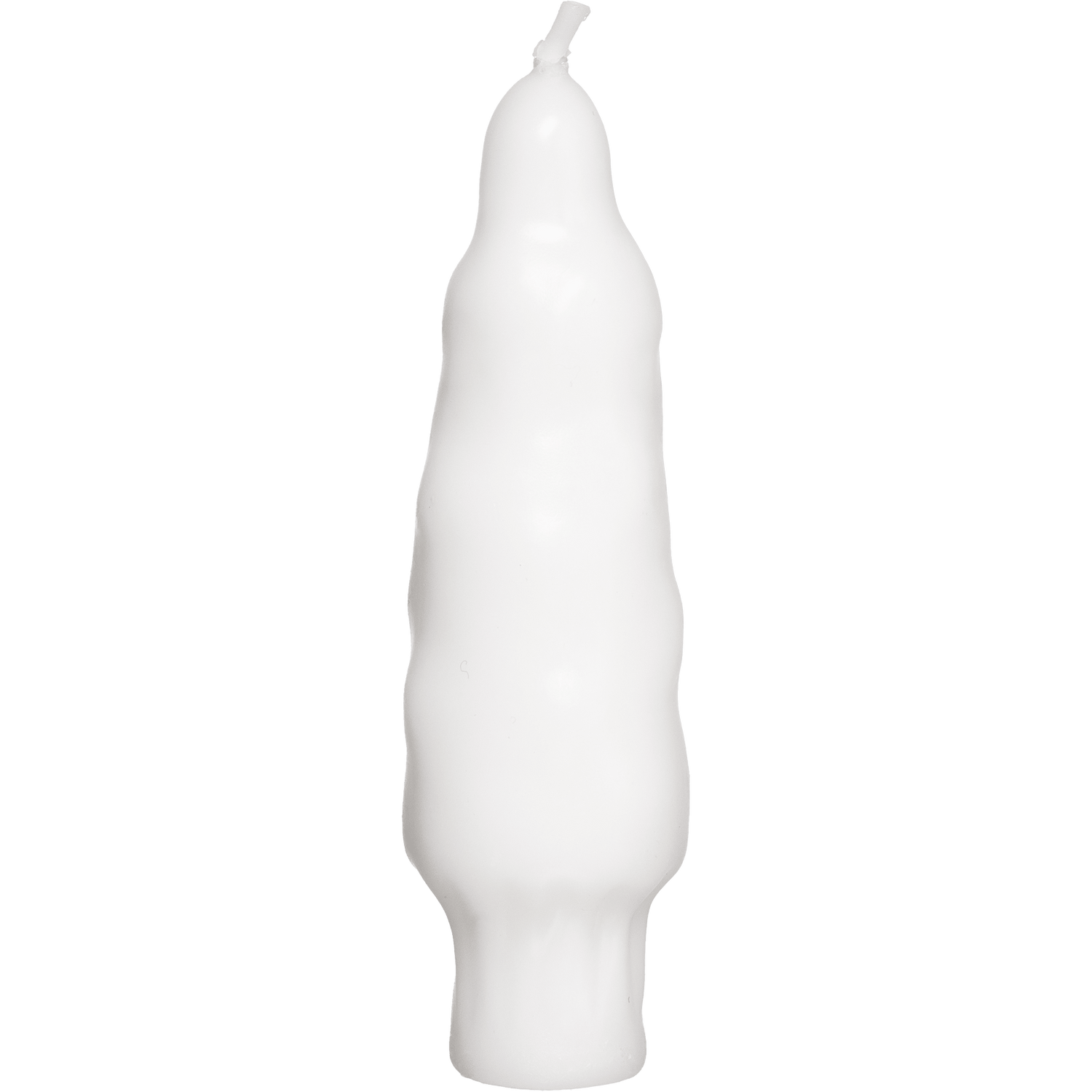
Kaamos Candle 6 pc/box
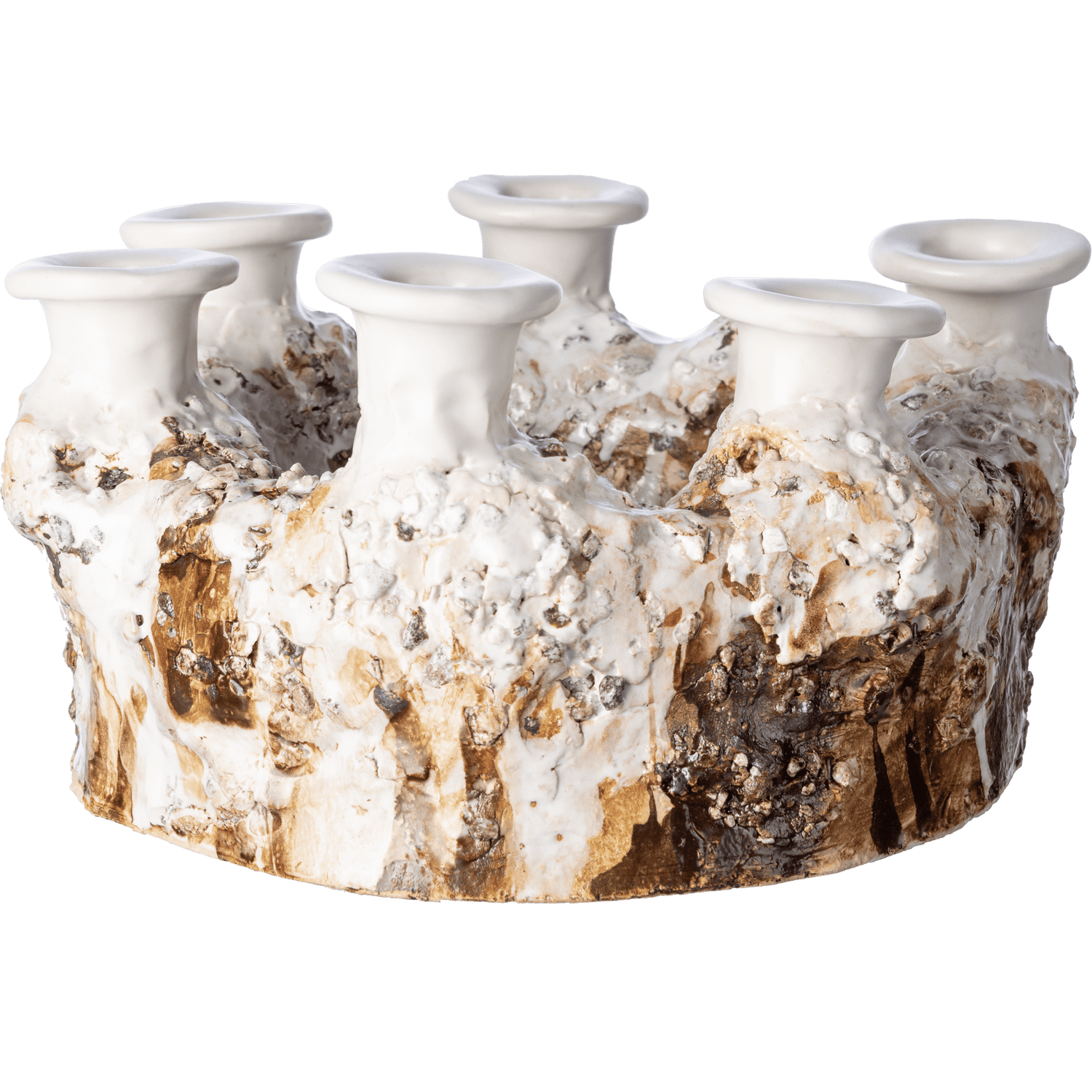
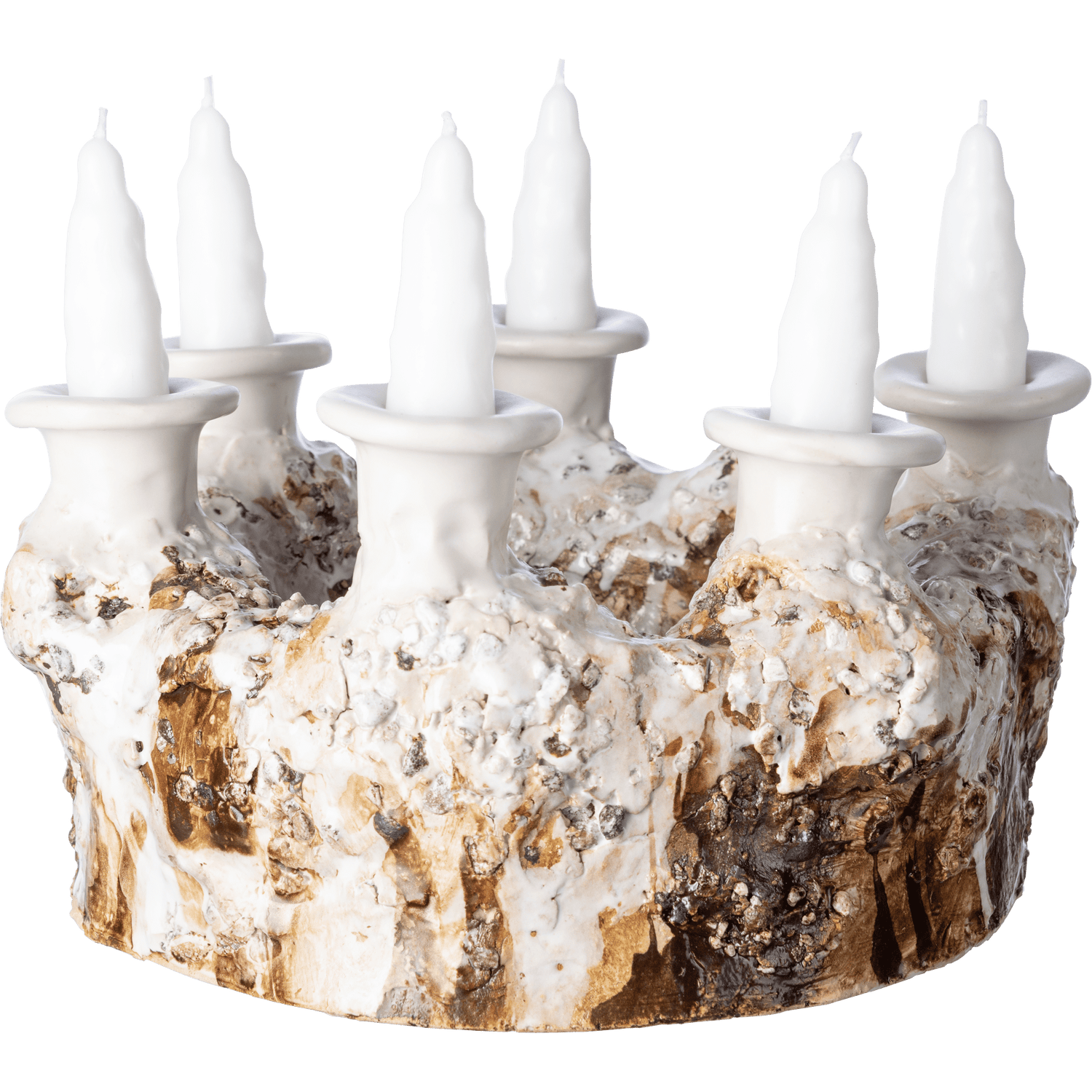
Kaamoskivi Candelabra
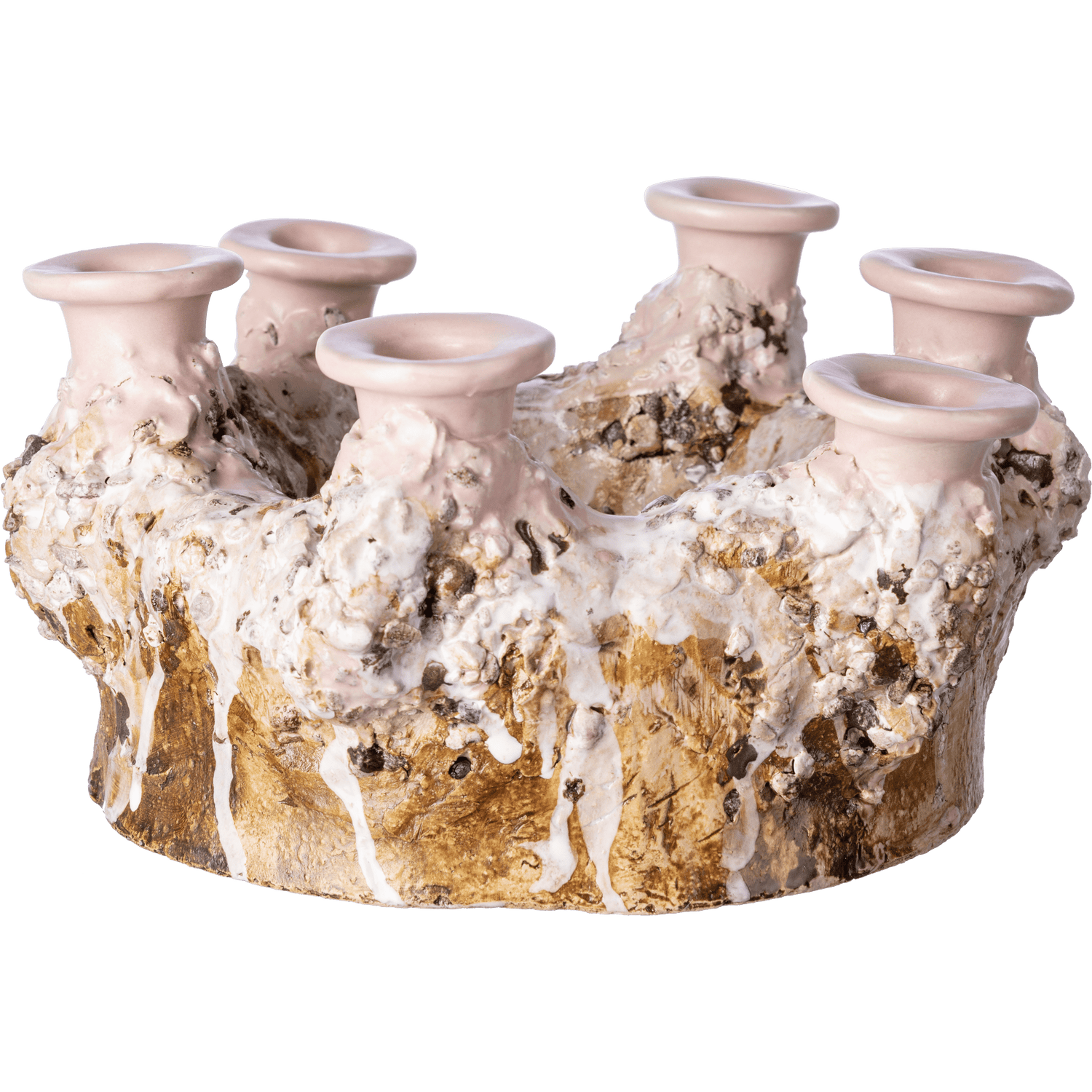
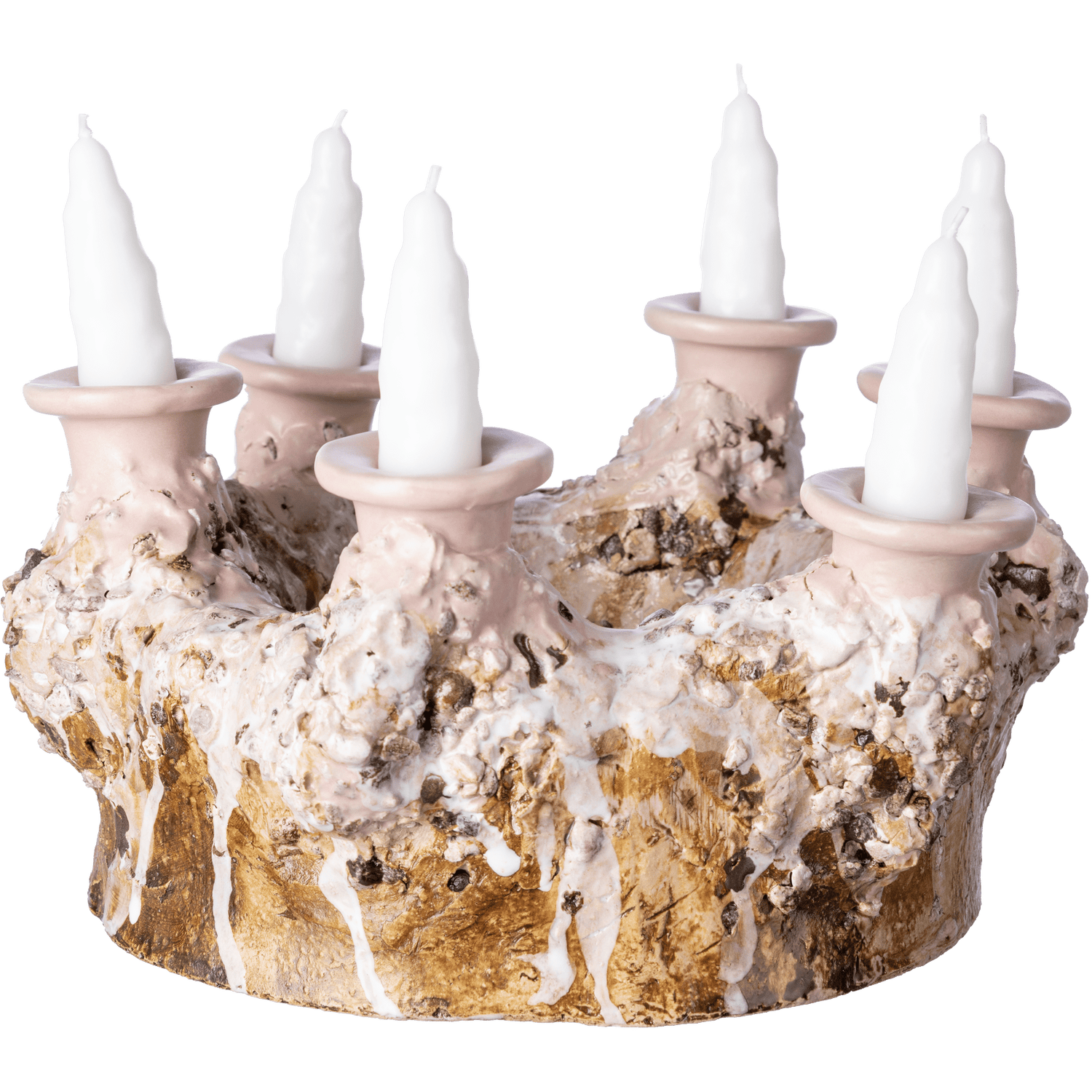
Kaamoskivi Candelabra
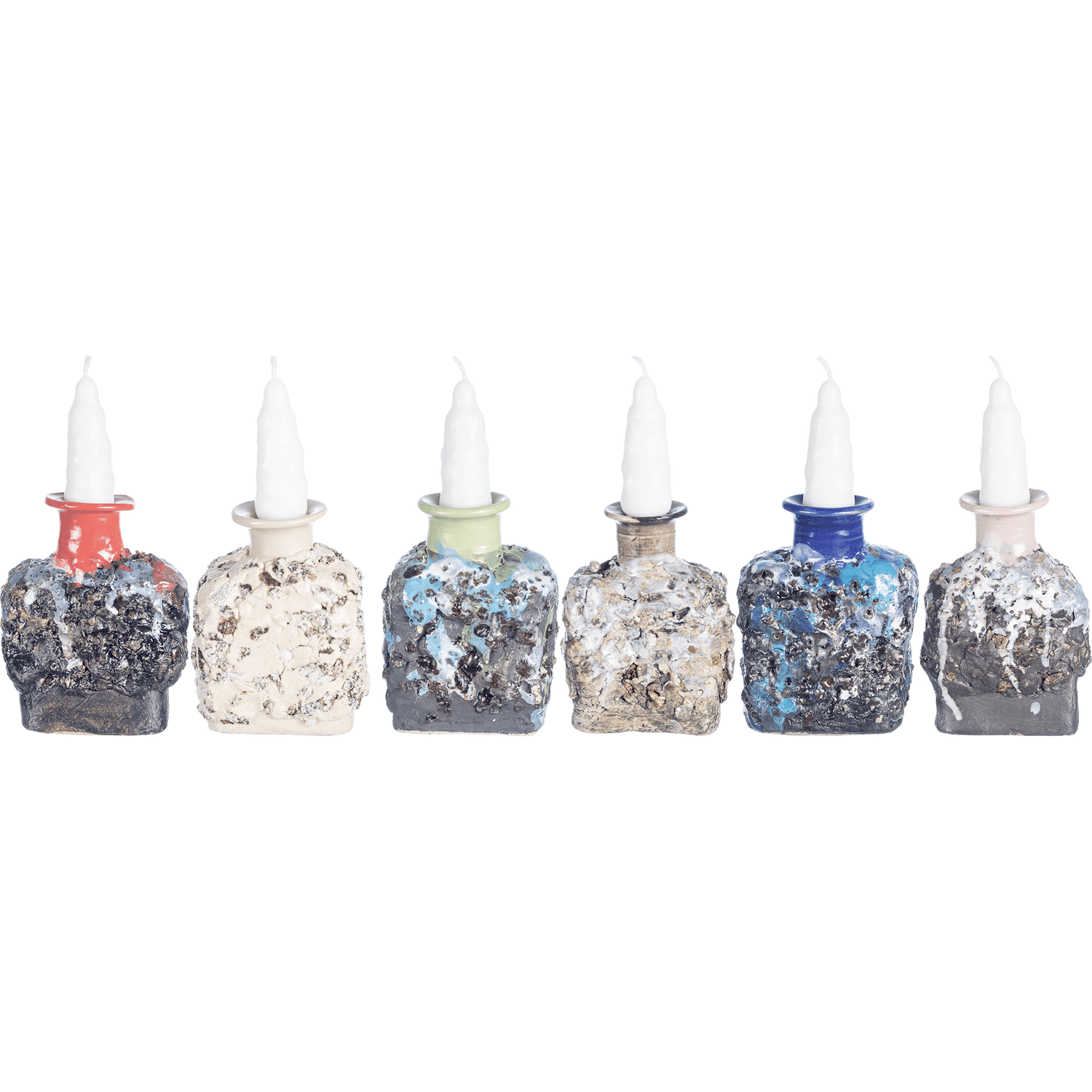
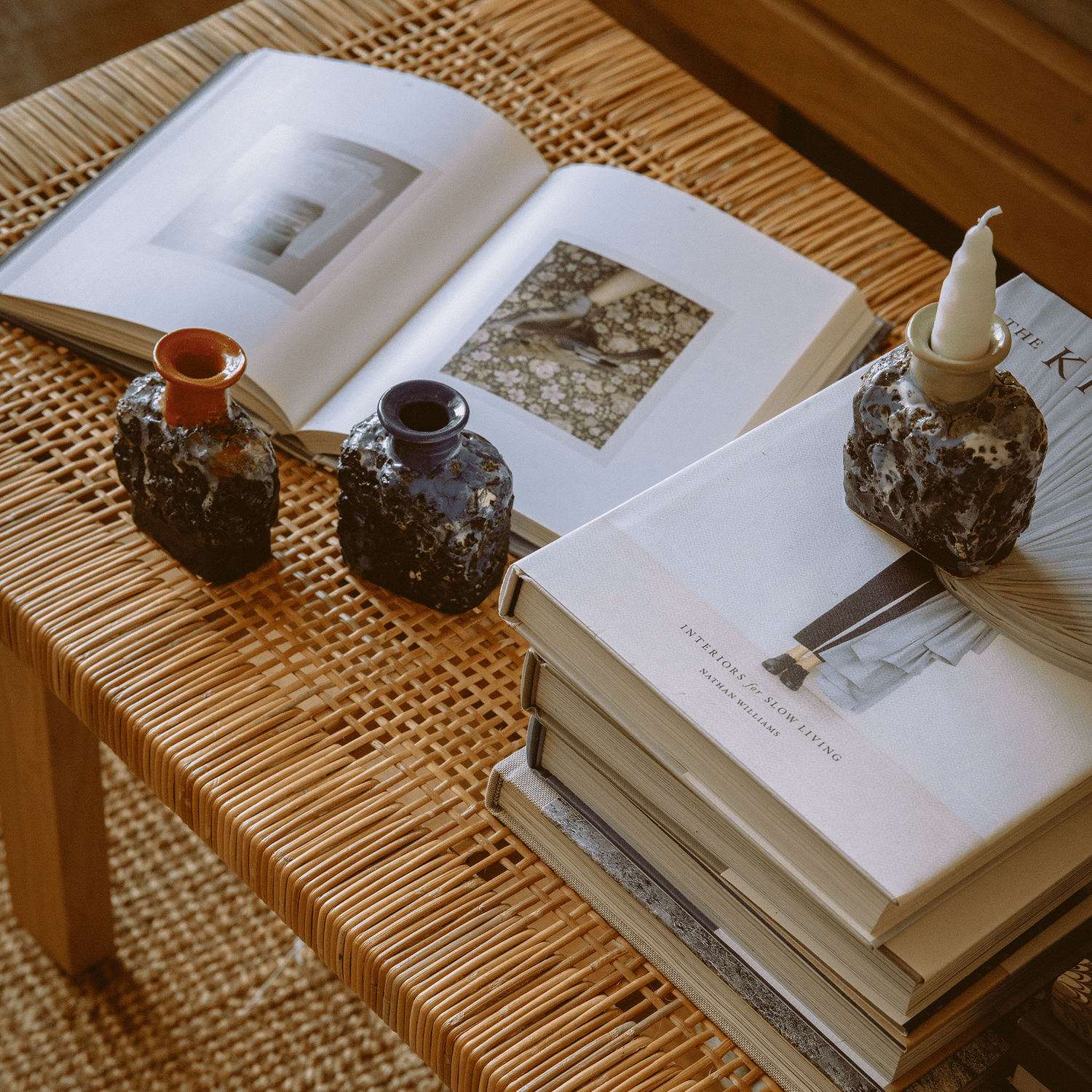
Kaamoskivi Art Candlestick
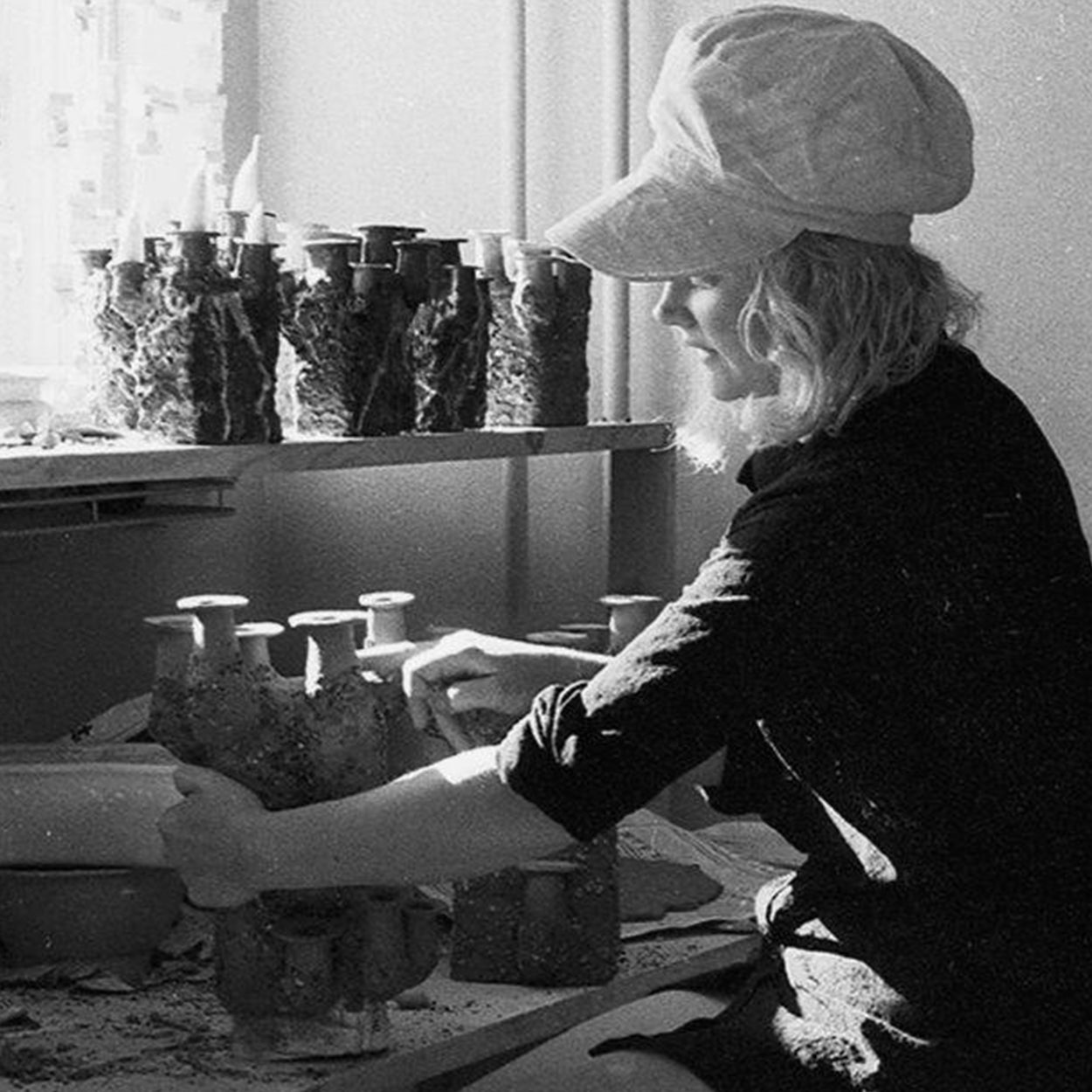
The primal power of northern nature
The first Kaamoskivi (Frost Stone) was created in the early 1970s when Anu Pentik and her family moved to Posio. Inspired by the northern nature, she wanted to create an object that would capture the raw power of her new hometown's environment. Although many initially didn't believe in the terribly ugly chunk, it marked the beginning of Pentik's success story.
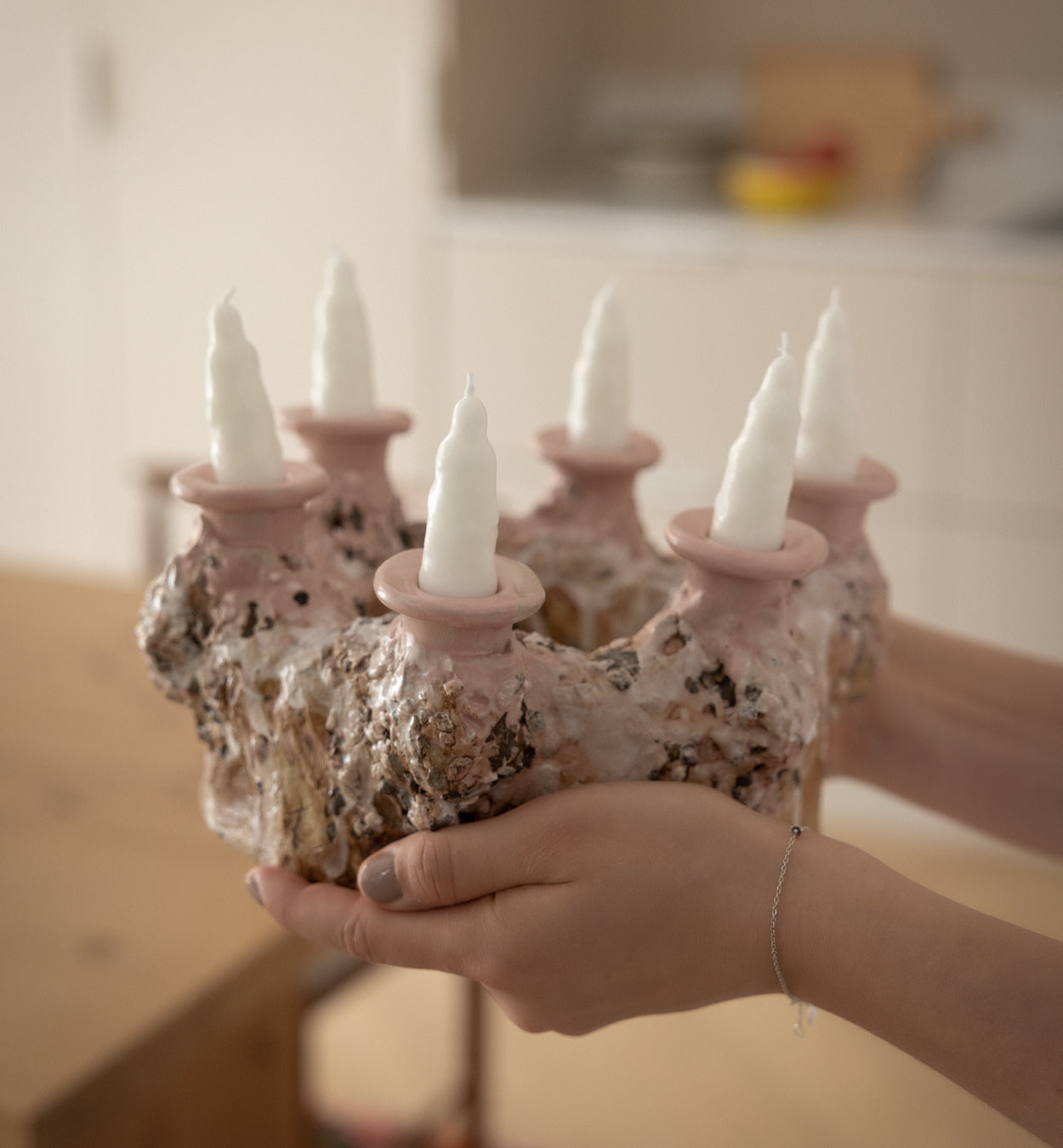
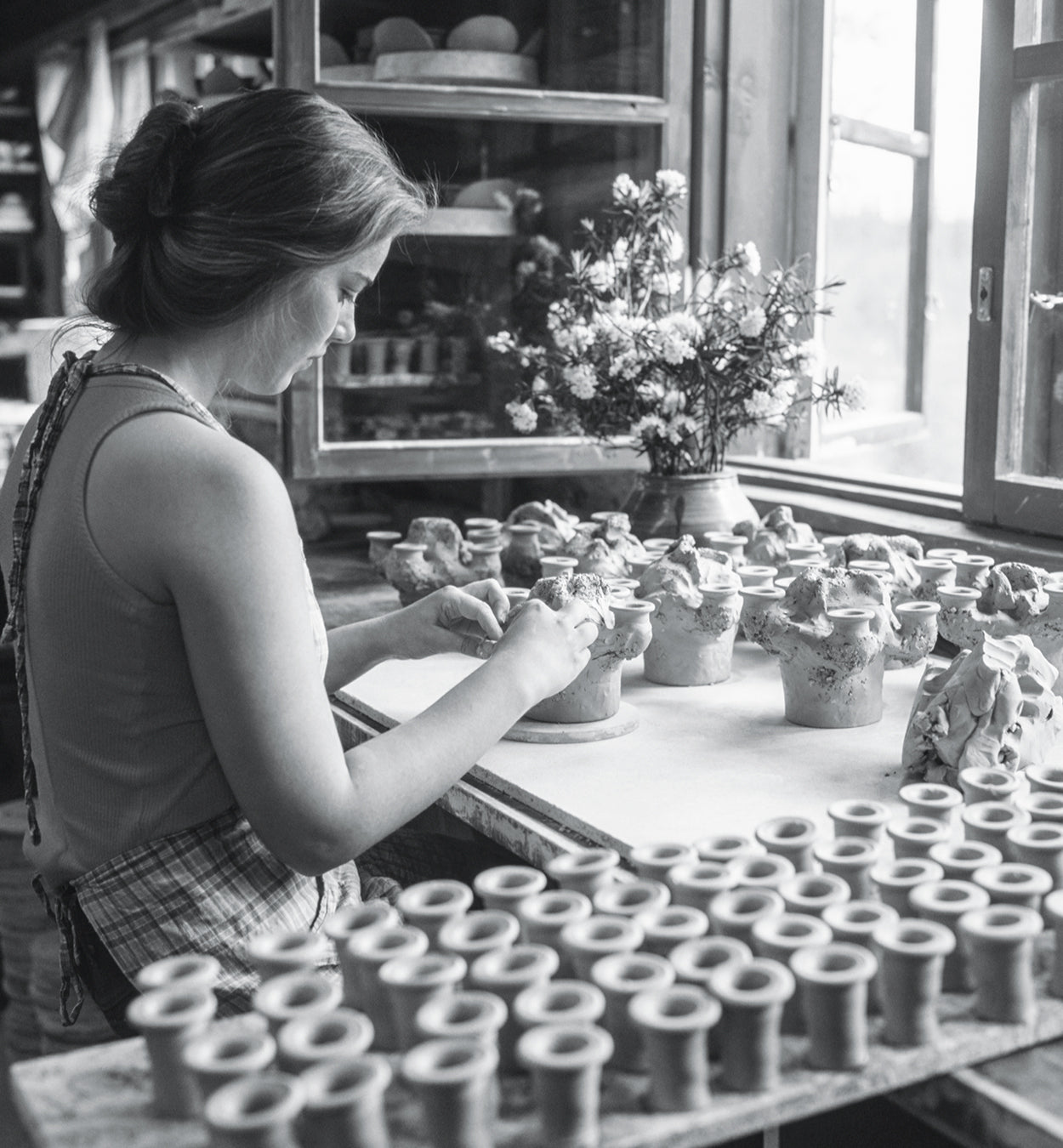
This spring, Anu has reinvented Kaamoskivi, making it more fashionable than ever. Each one is crafted in the same landscape where the very first Kaamoskivi pieces were made in the 1970s, in Posio, also known as Boston. At the ceramics factory, the candleholder, shaped like a sweet braided bun, has affectionately been called a "Boston cake." The sand used in the candleholders is collected near Anu's home, from the shores of the clear-watered Lake Kitkajärvi. Come, come, good cake.

Nature's form, autumn's colours, stark sand, Kaamoskivi.
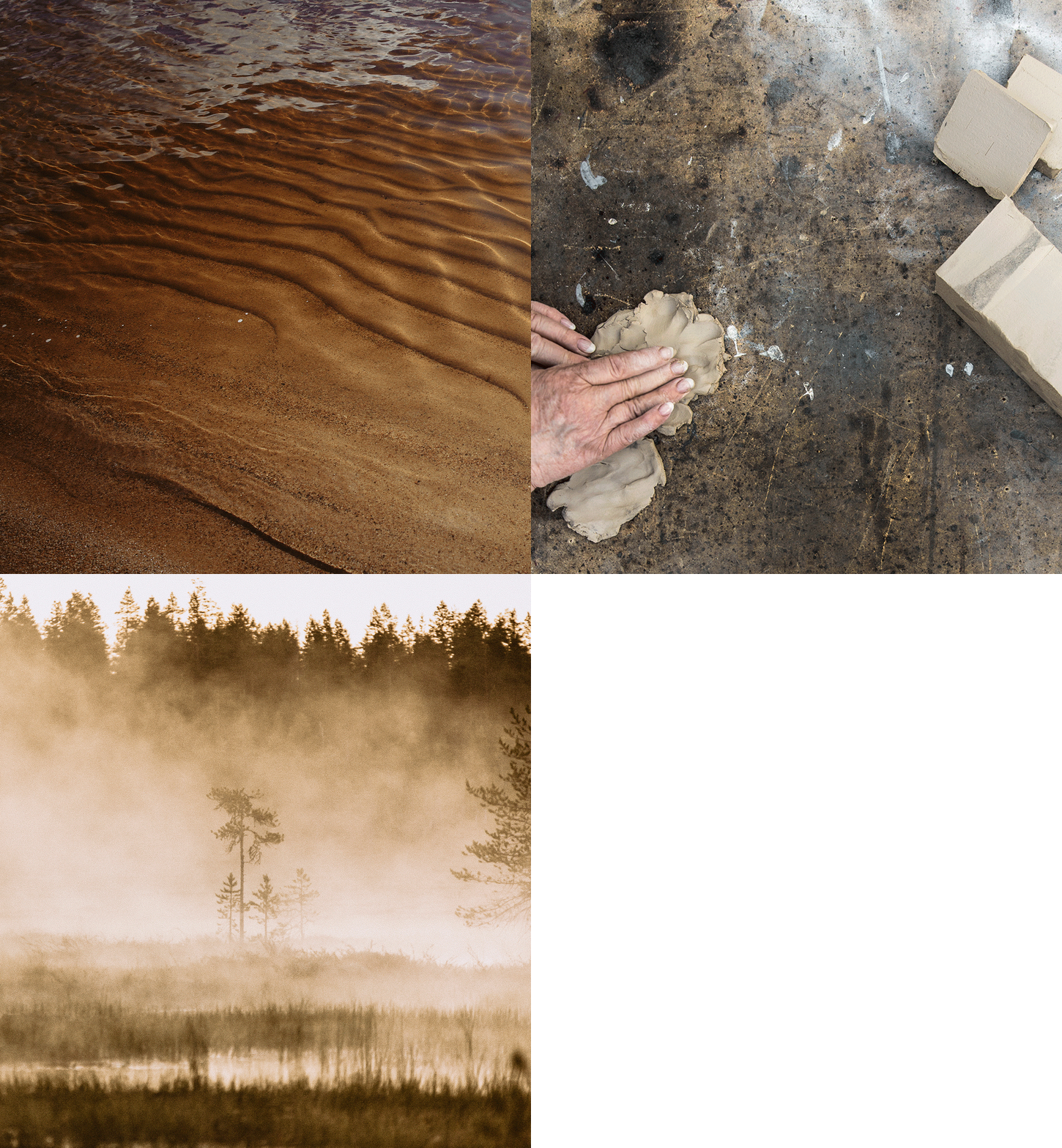
A piece of Lappish nature
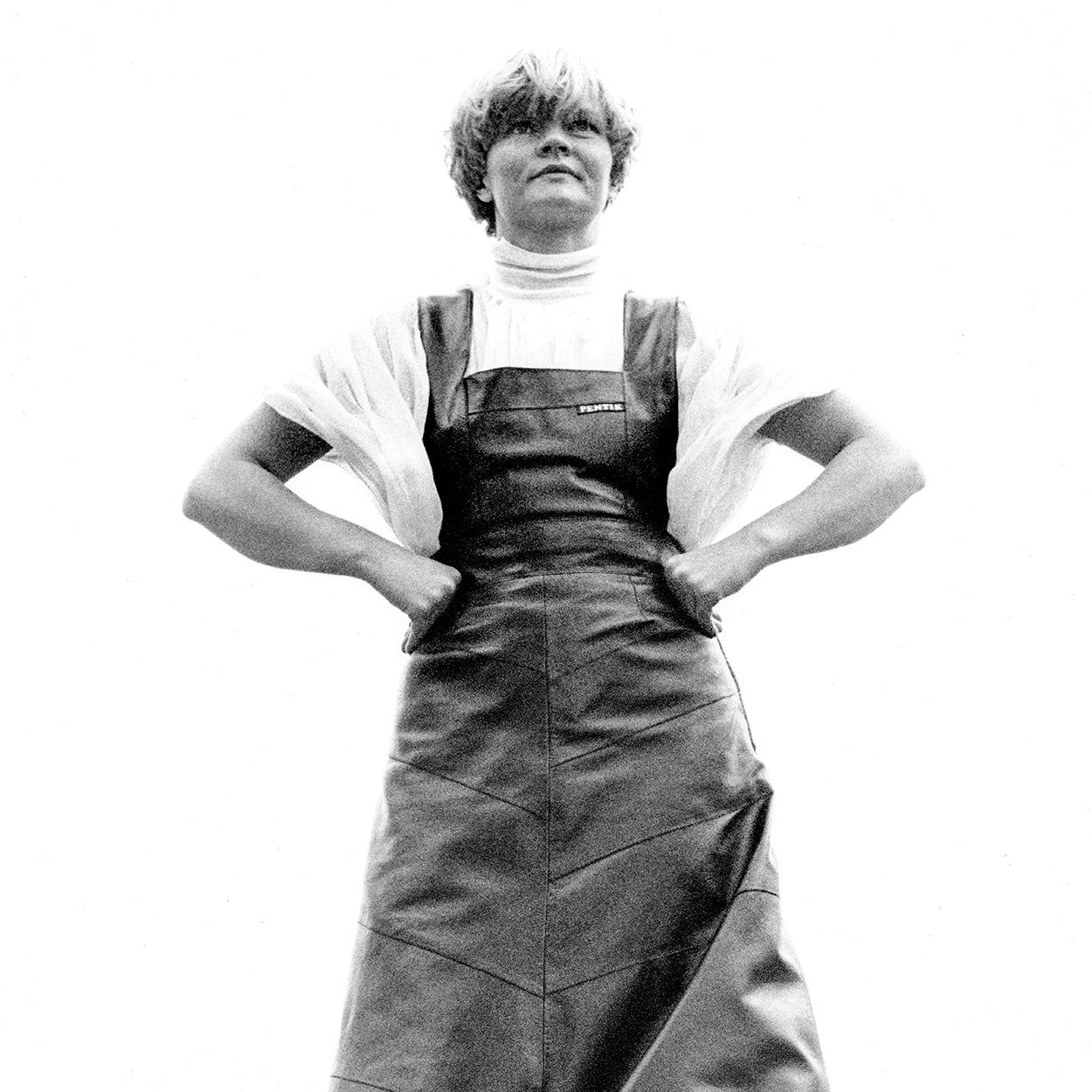
The autumn colours of the fell birches and shrubs. Lichens adorning the surface of scree. The rugged edges of glacial erratic boulders. When Anu Pentik and her family moved to Posio, Southern Lapland, in the early 1970s, nature made a lasting impression on her. She wanted to capture all of it in a tangible form; to create something as raw and untamed as the nature she lived amidst. This is how Kaamoskivi was born. A miraculous object, imbued with the power of Lapland – like a piece of nature itself.
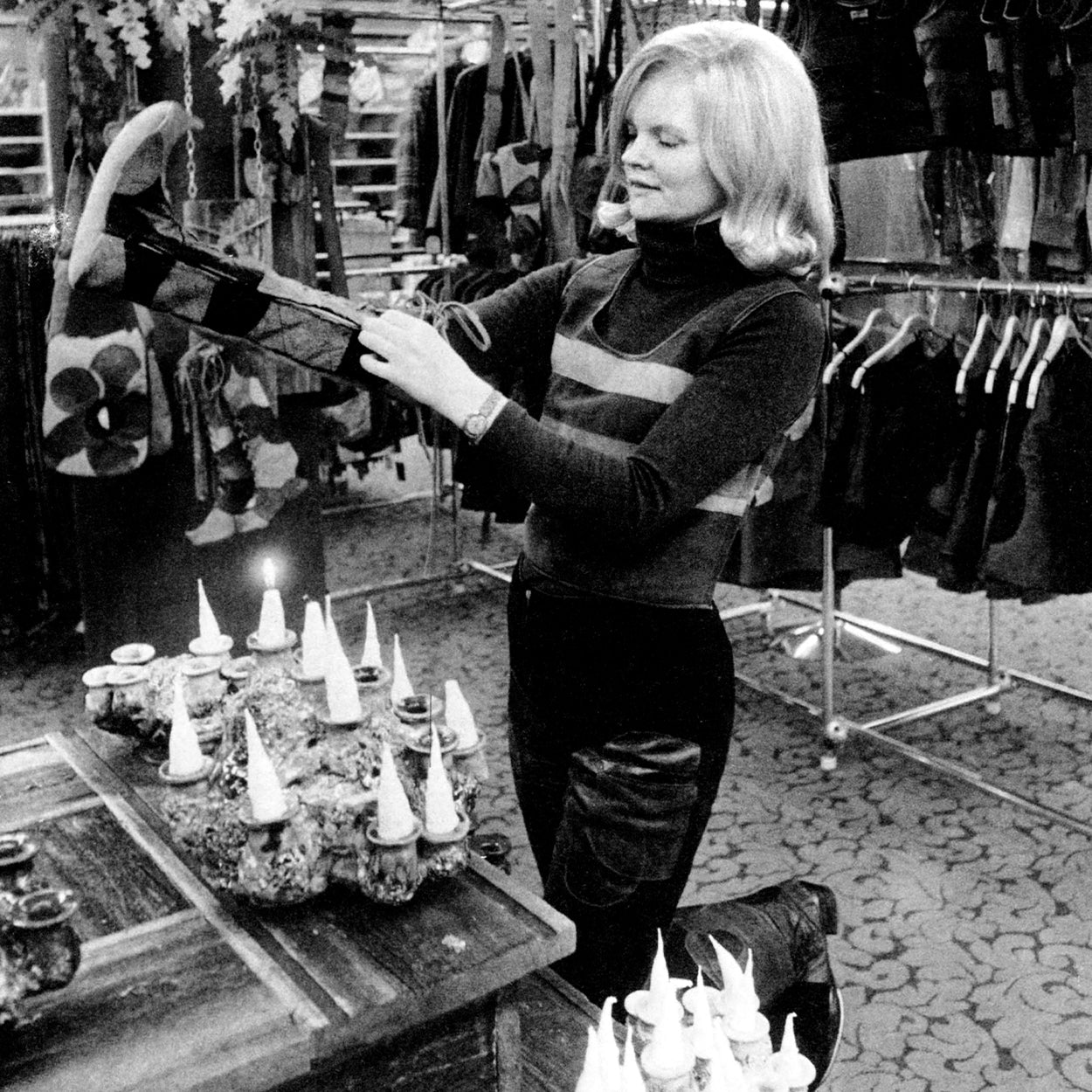
Anu personally collected the sand mixed into the clay for the Kaamoskivi candle holders from Lapland's Riviera, on the shore of Lake Livojärvi. She took the first Kaamoskivi candle holders to be sold at Posio's Esson gas station, where people admired them while filling their cars' gas tanks before venturing into the wilderness. Soon, Kaamoskivi candle holders were also sold at Stockmann, where they flew off the shelves. The success story of Pentik had begun.
OVER 50 YEARS OF BEAUTY FOR HOMES
Posio was found on the map
It was the early 1970s. When others moved away from Posio, the Pentikäinen family had moved in. Posio ultimately offered everything and nothing. Anu found space to think and be herself; an artist's soul was born. One by one, the people with whom wild dreams began to come true were found around her. In the midst of it all, the world's northernmost ceramic factory was established.


