
Pentik ceramic factory
Pentik’s ceramic factory in Posio, near the Arctic Circle, is the world's northernmost ceramic factory, producing approximately 200,000 items annually. Over the years, the ceramic factory has been expanded multiple times, and today its area is 6000 m2 and the kiln volume is 40 m3. In 2020, the factory employed 40 ceramic professionals. Thanks to Pentik, the ceramics industry is one of Posio municipality's most important livelihoods, and Pentik is the largest private employer in the municipality of just under 3,000 inhabitants. We want to maintain ceramic expertise and manufacture ceramics in Finland for decades to come.
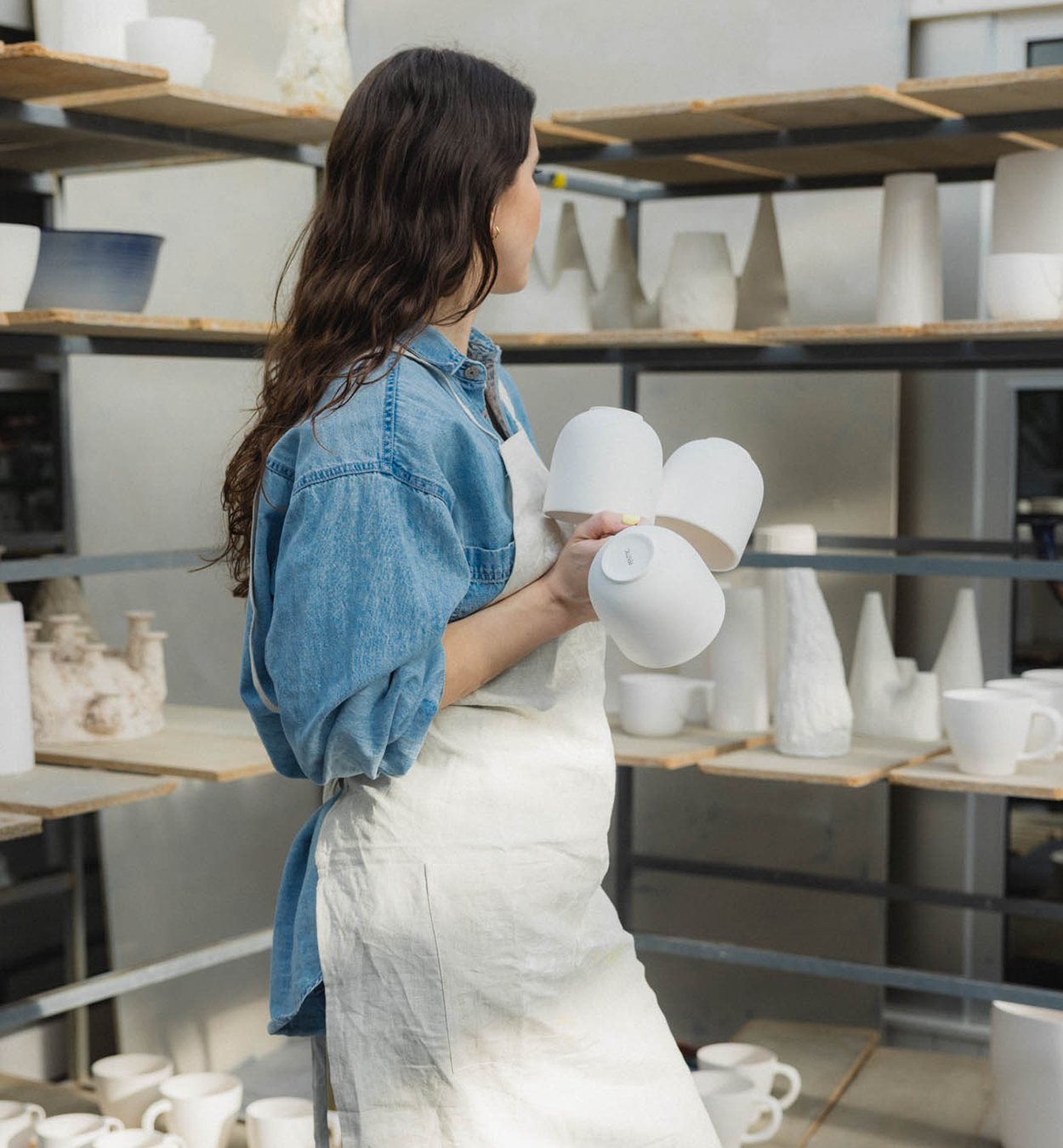
Over 50 years of domestic ceramics
Pentik's northernmost ceramic factory in the world was inaugurated on October 4, 1974. All important things grow and improve over 50 years: love, joy of life, longing for beauty, manual skills. On the other hand, a half-century also includes phases that intrude uninvited. Sometimes we've had to squeeze the clay with white knuckles, but that's part of it. Half a century has taught us that clay can turn into gold and dreams into reality.
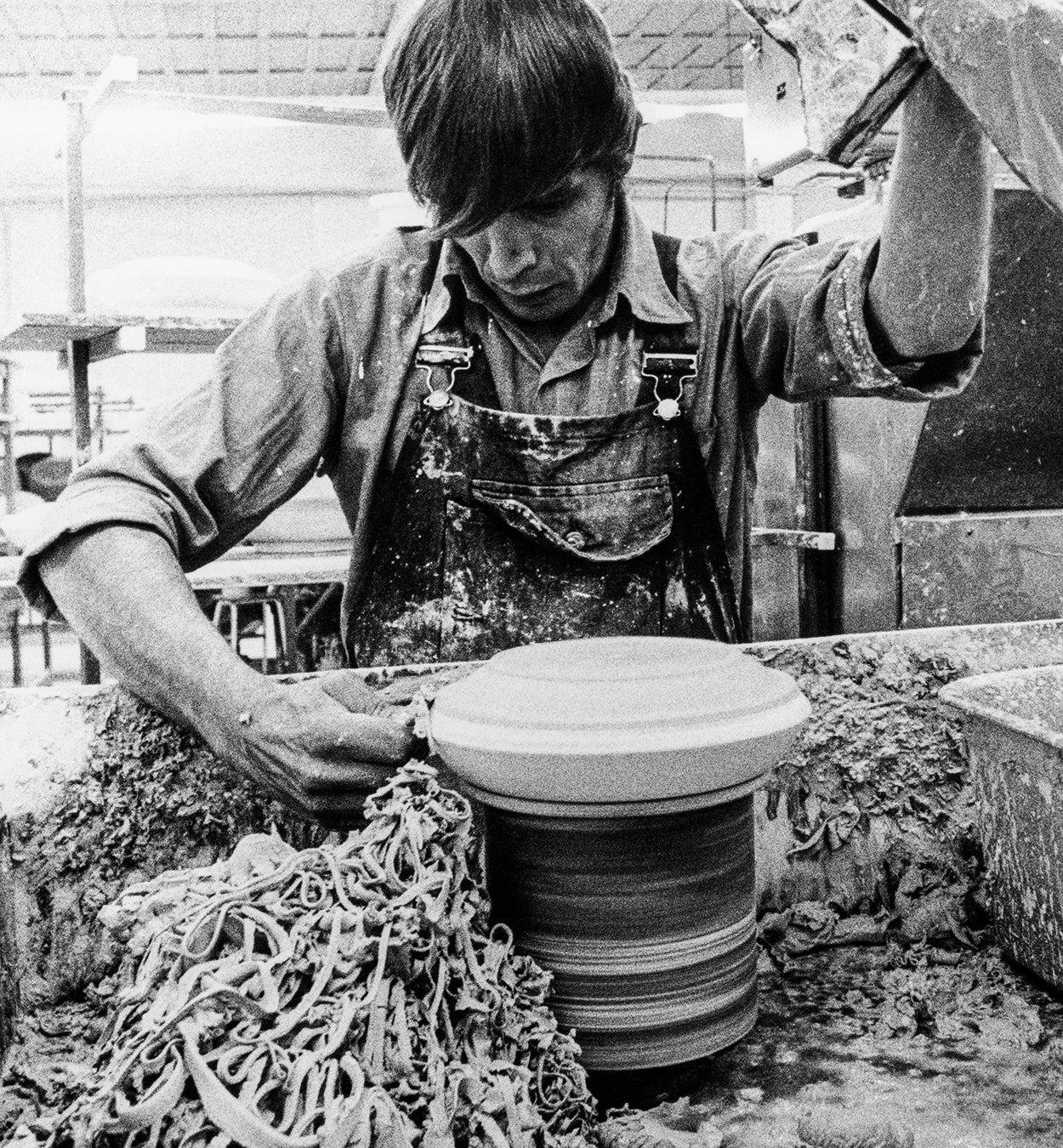
In the factory's opening speech, it was stated that Anu and Topi Pentikäinen's ceramic factory, "conjured out of nothing" in Posio, demonstrates that modern mass production can be carried out in a small and remote municipality. Today, Pentik is Finland's only significant ceramics manufacturer and an important employer in the municipality of Posio. The employees of the newly established ceramic factory were trained during a ceramics course held from March 11 to October 4, 1974. Anja and Peter Winquist from the Arabia factory were invited to be the instructors. Through the course, 30 residents of the small municipality of Posio received training as professional ceramicists and a job in their home municipality. Nearly half of the course participants worked with ceramics until retirement age.
Pottery made in Posio since 1971
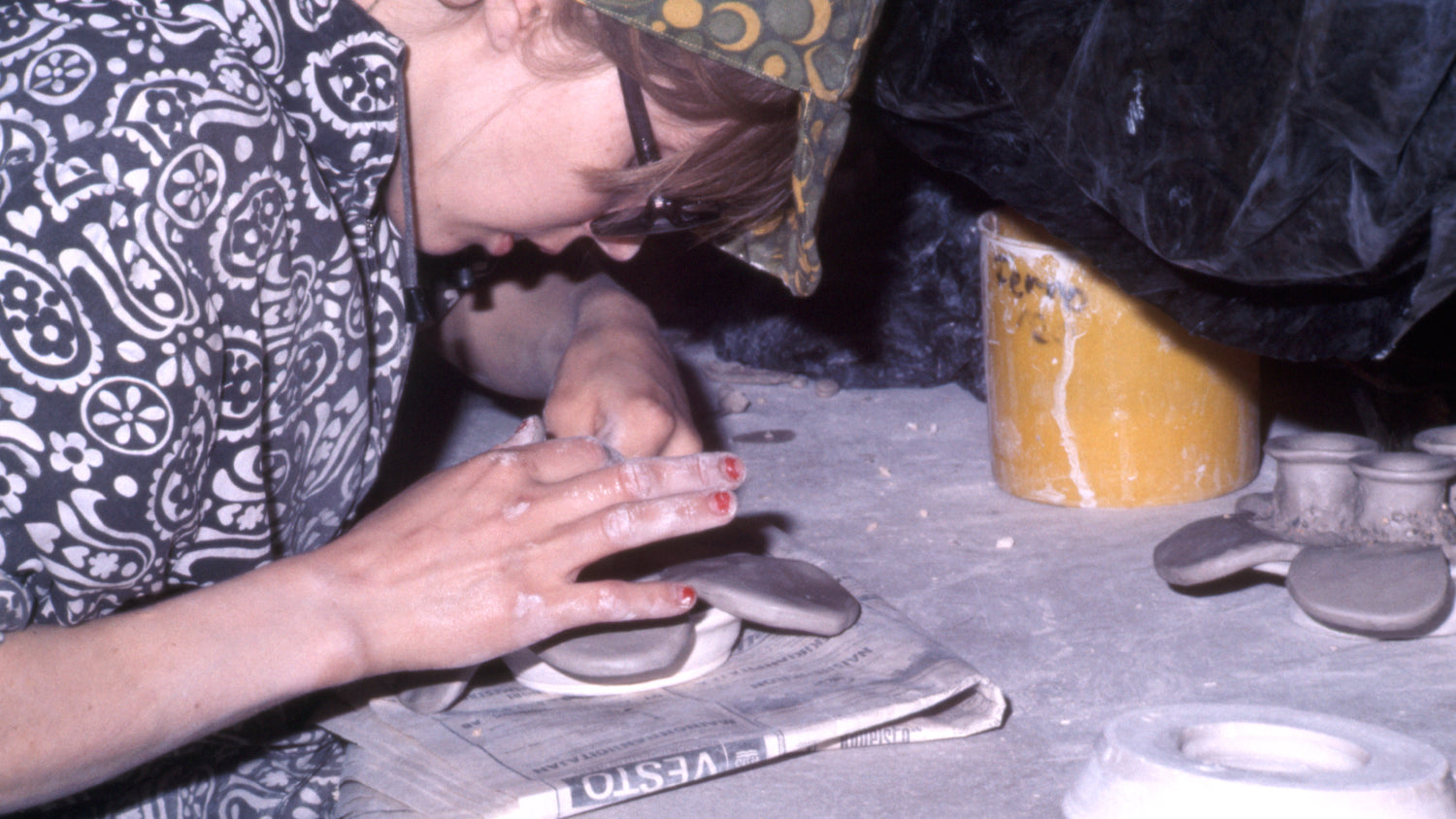


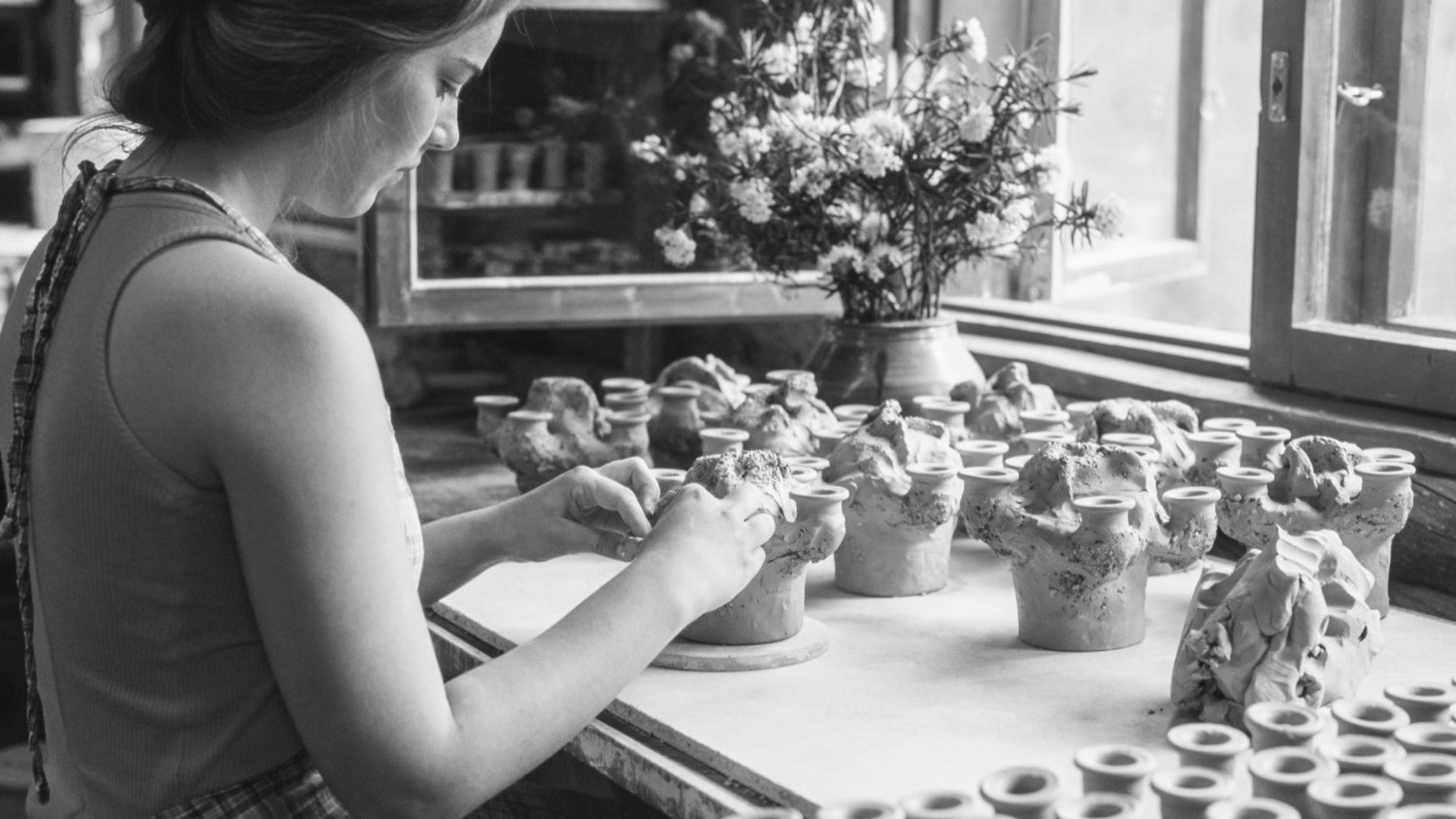

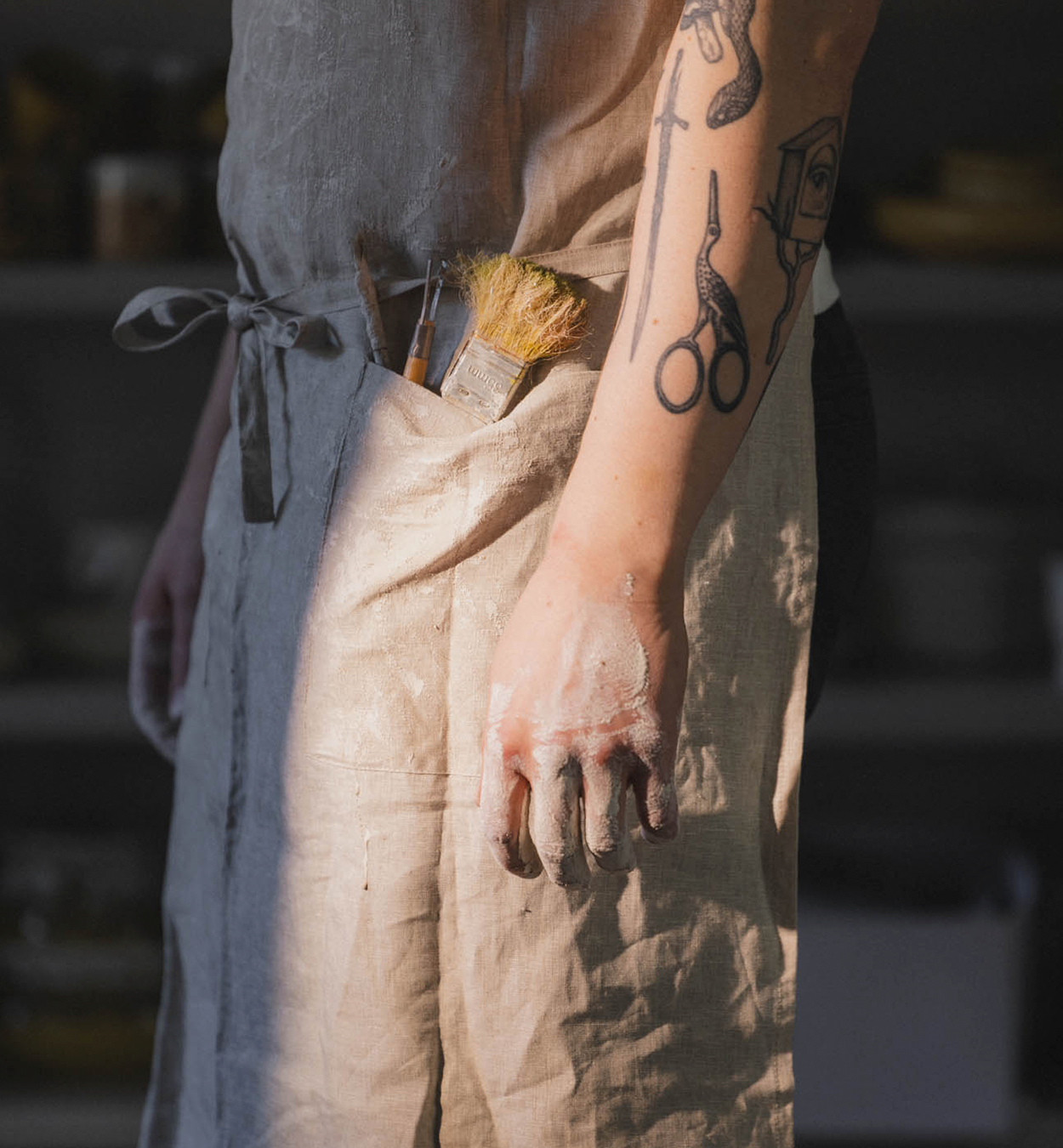
With love, from Posio
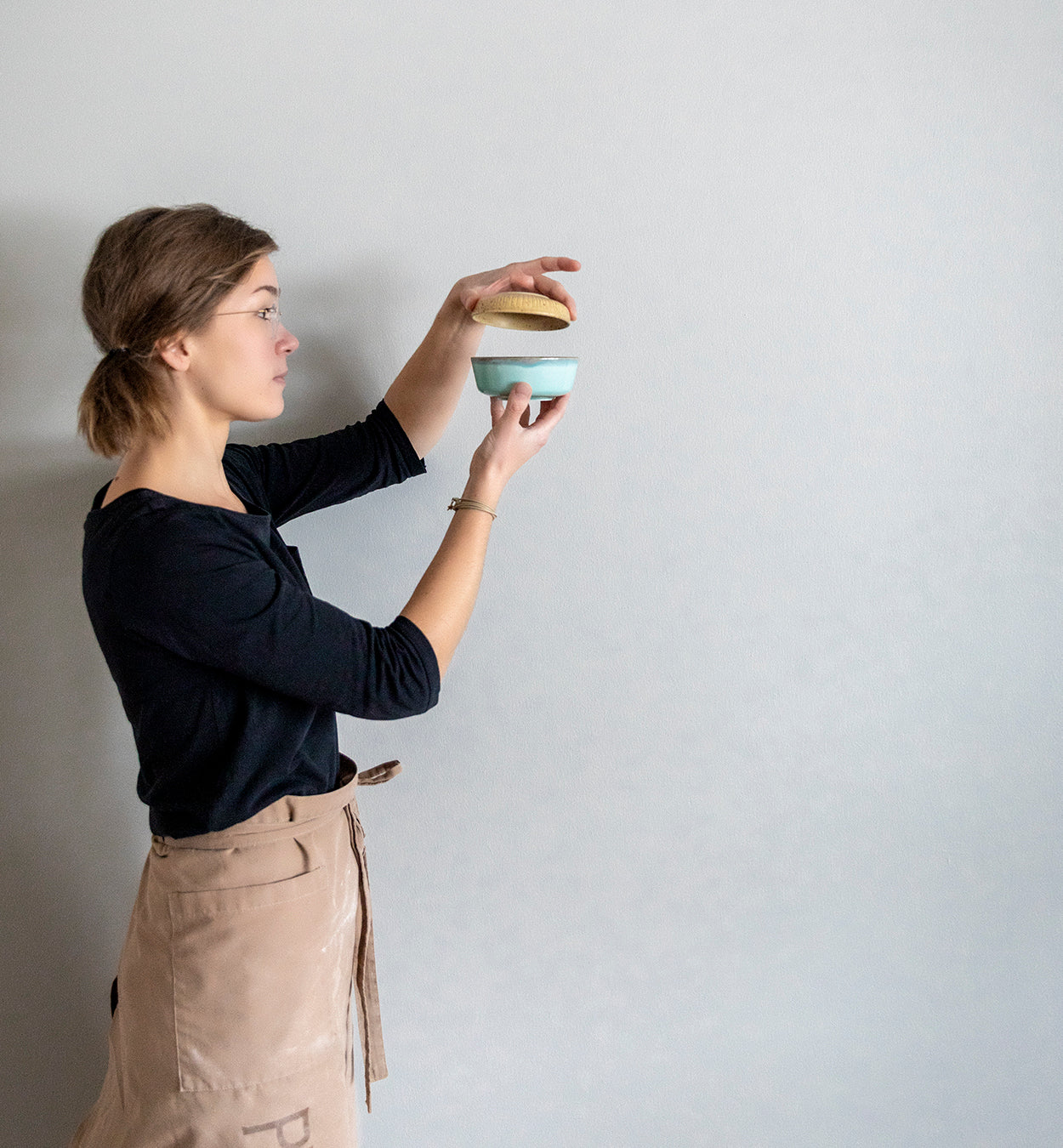
At the Posio factory, ceramic tableware and candles are manufactured. Over the decades, the manufacturing methods for ceramics have evolved, and the heaviest work phases have been automated, but much is still done by hand. The products are created through the following work stages.
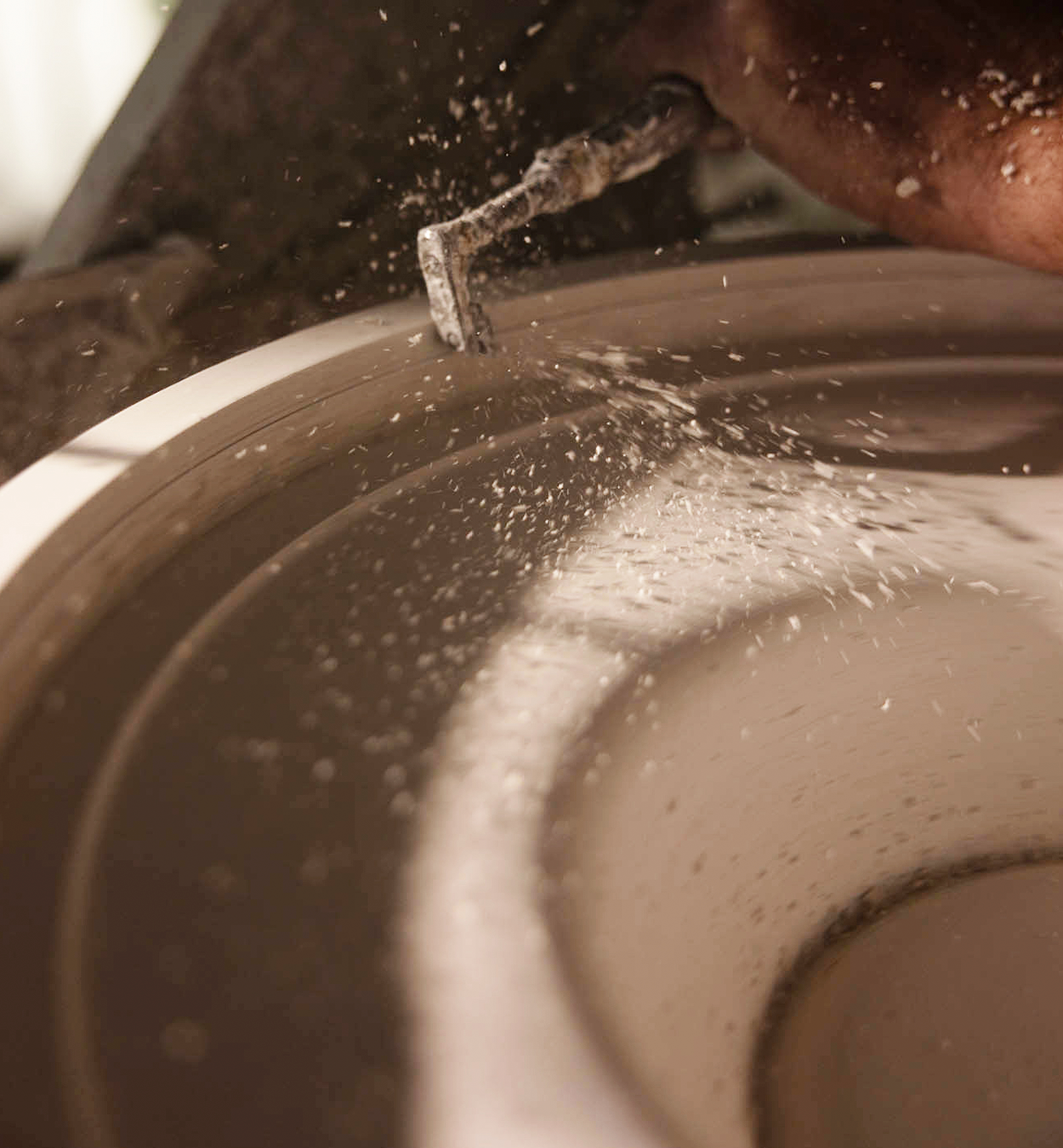
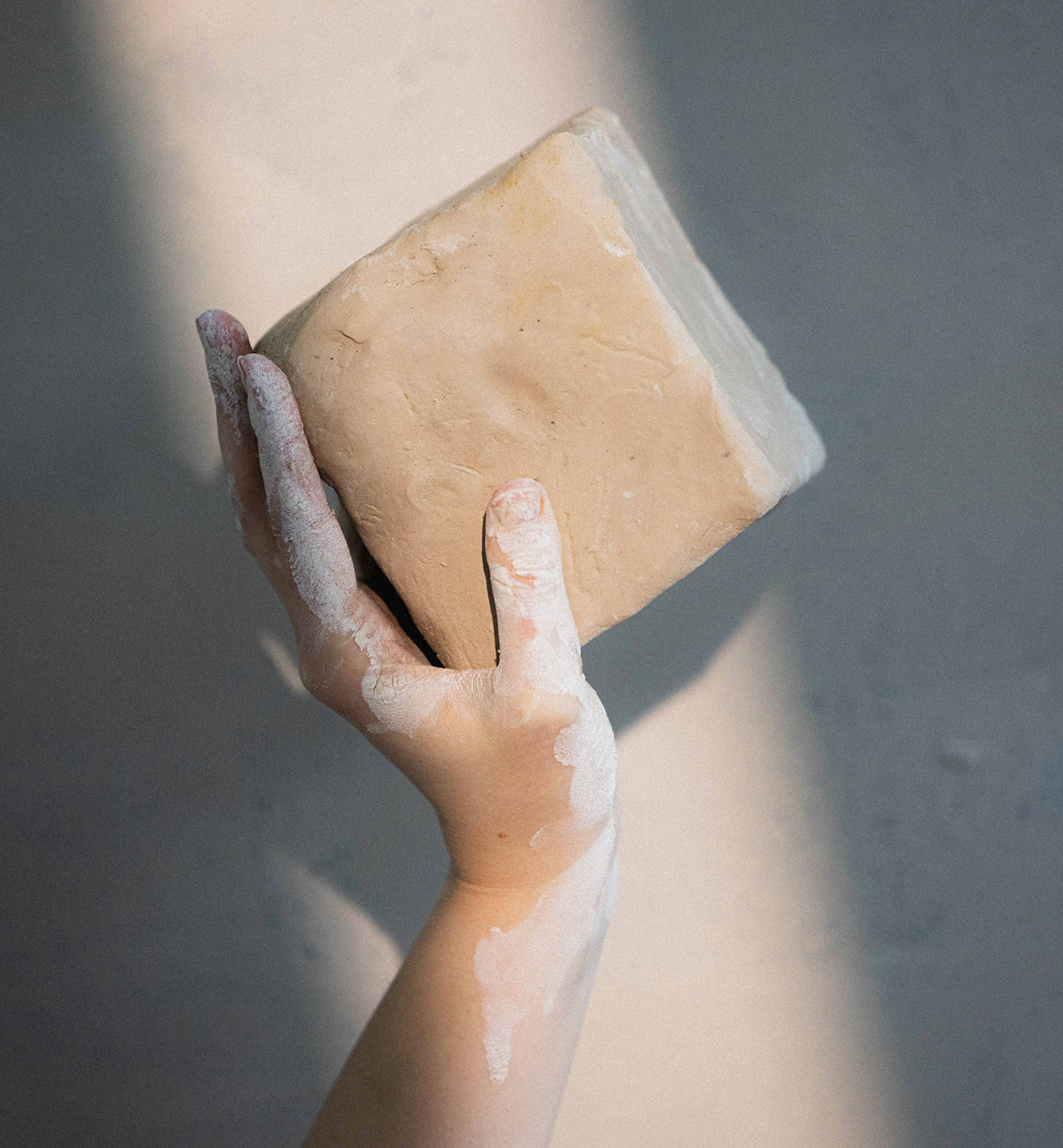
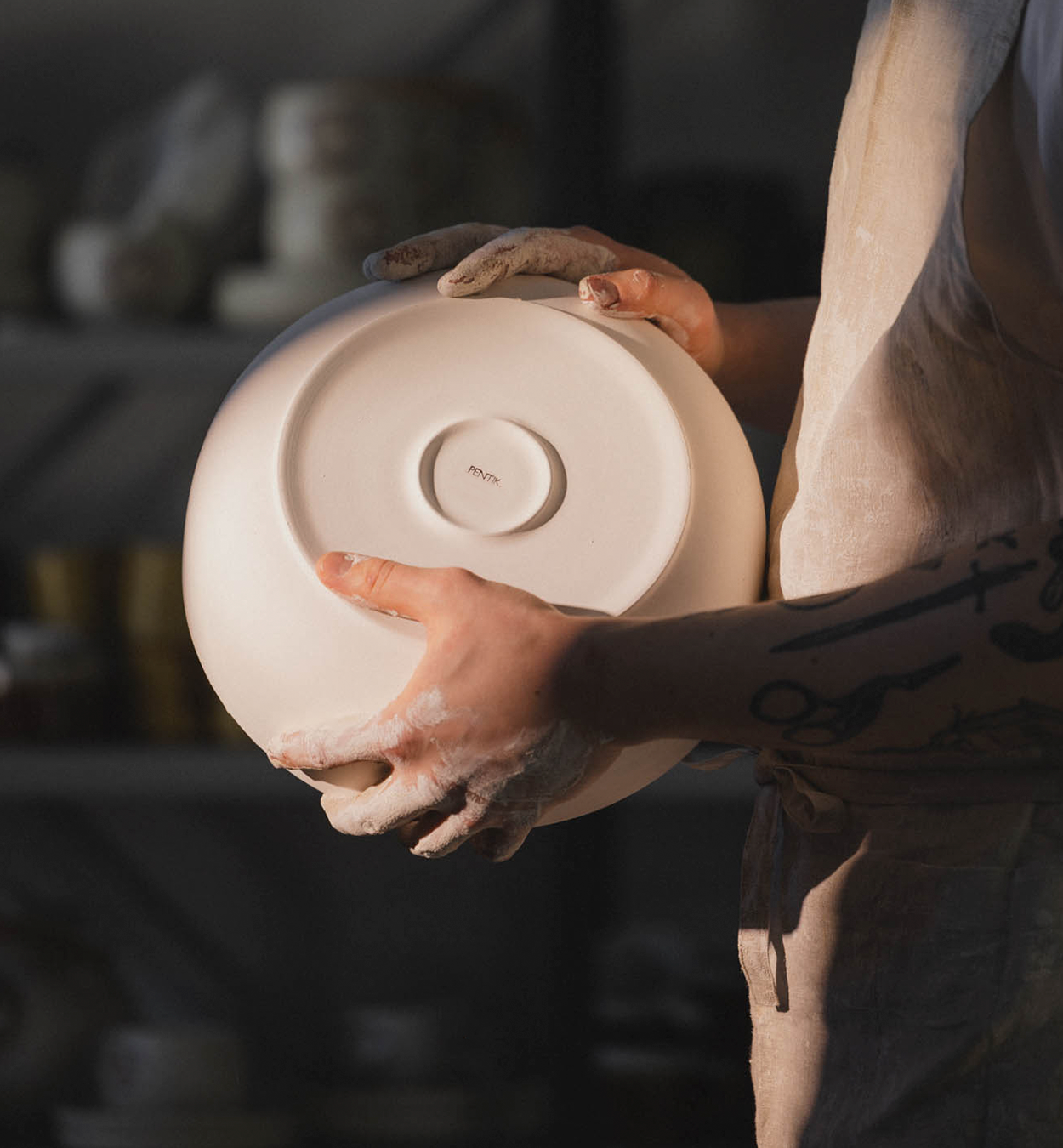
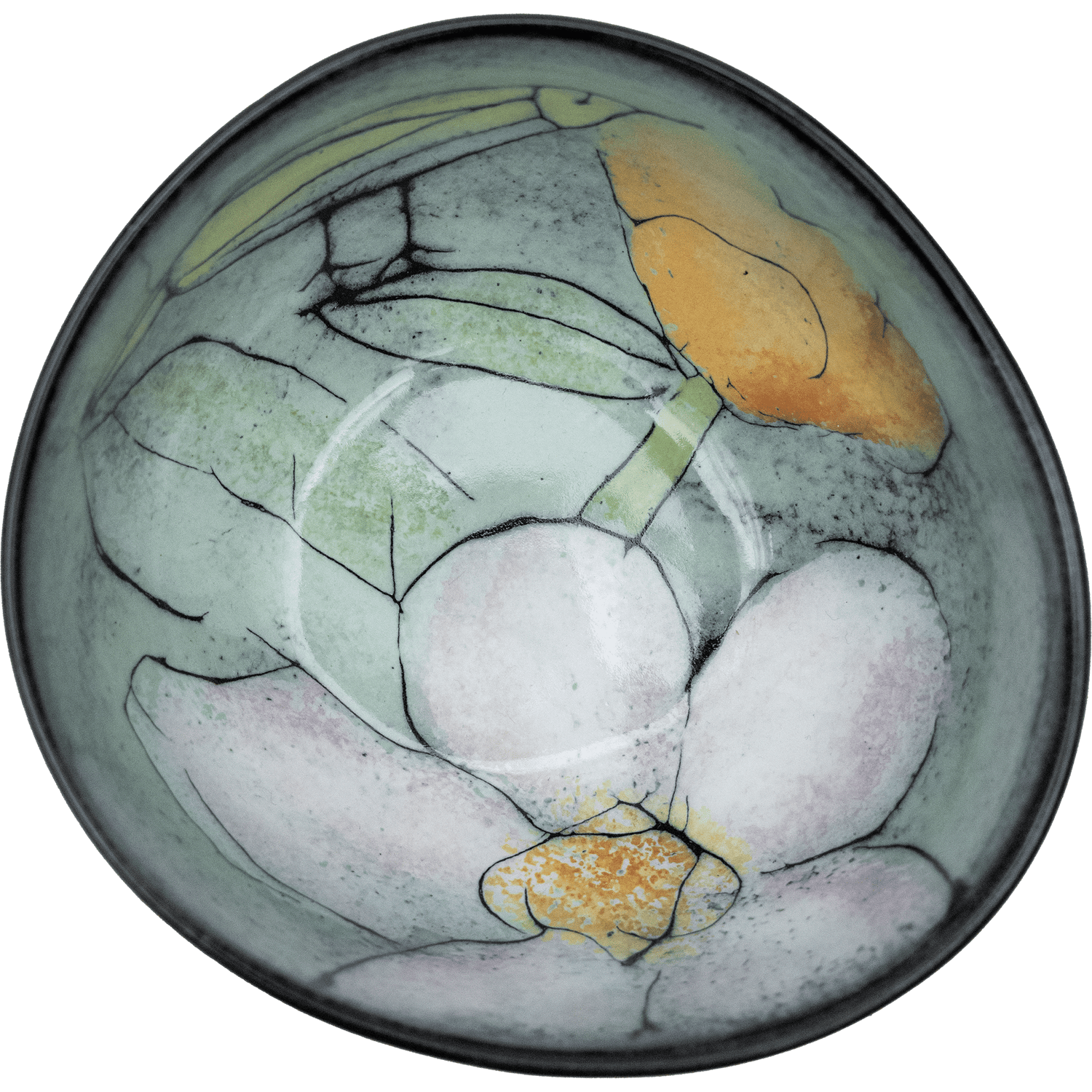
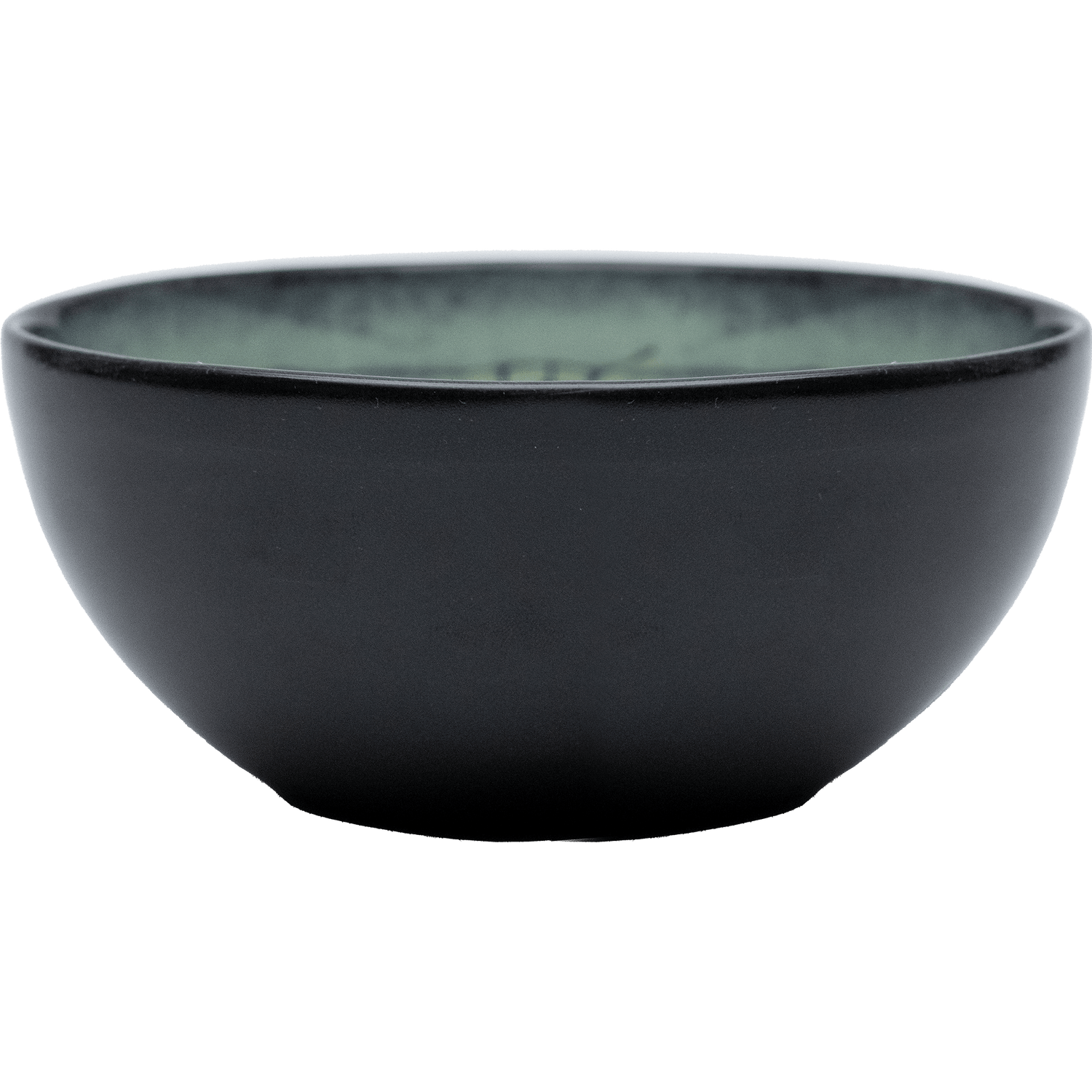
Kukkaislintu Studio Triangle Bowl
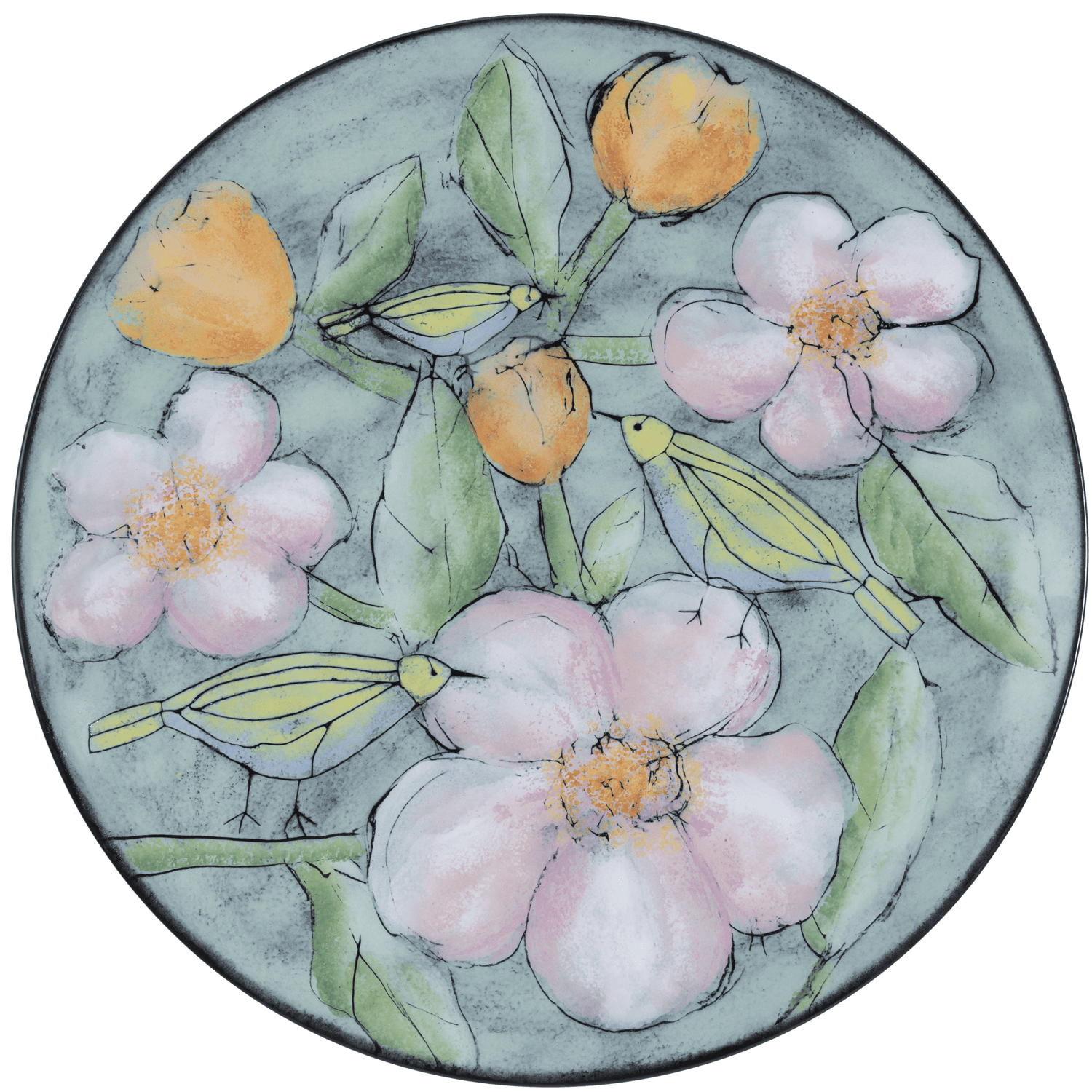
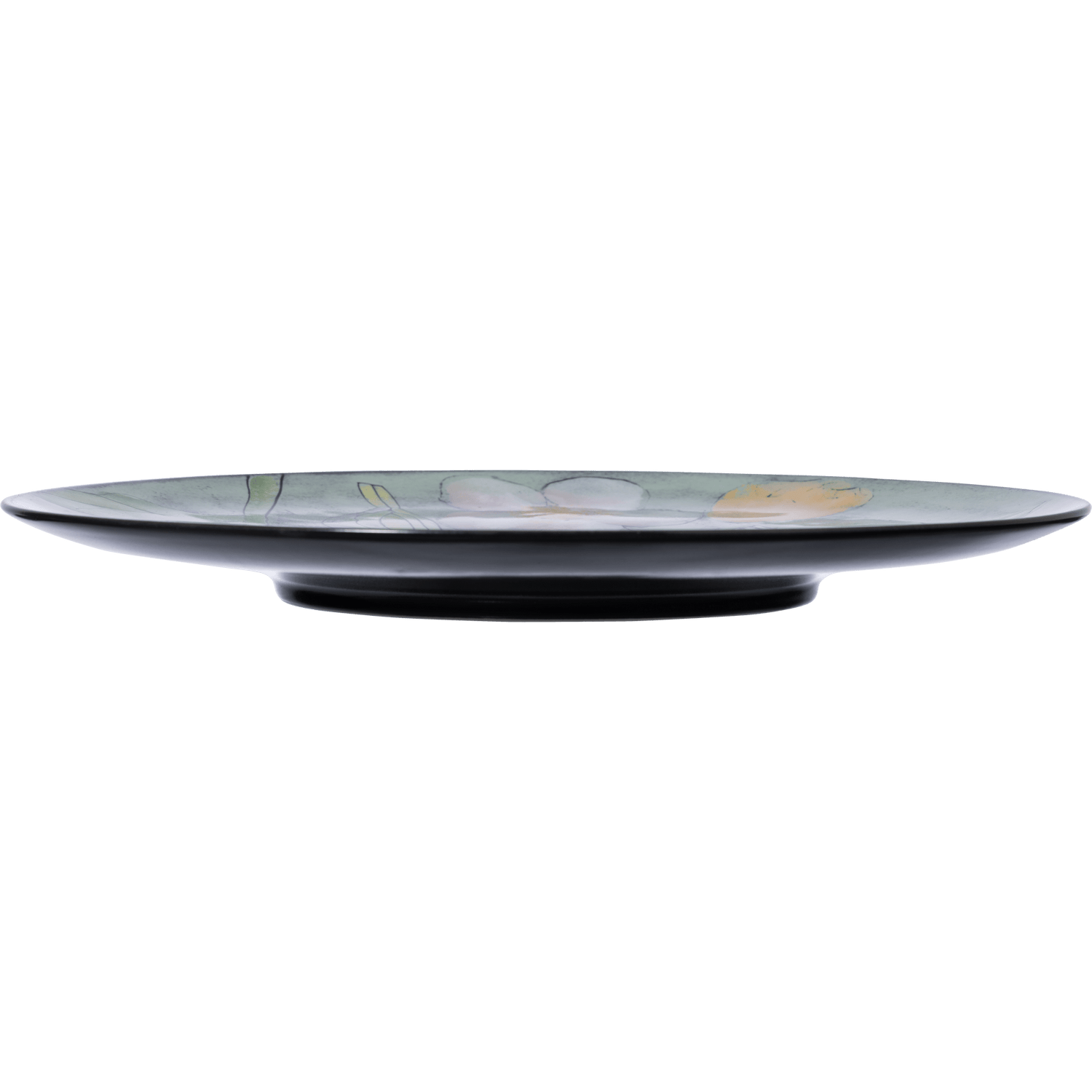
Kukkaislintu Studio Plate
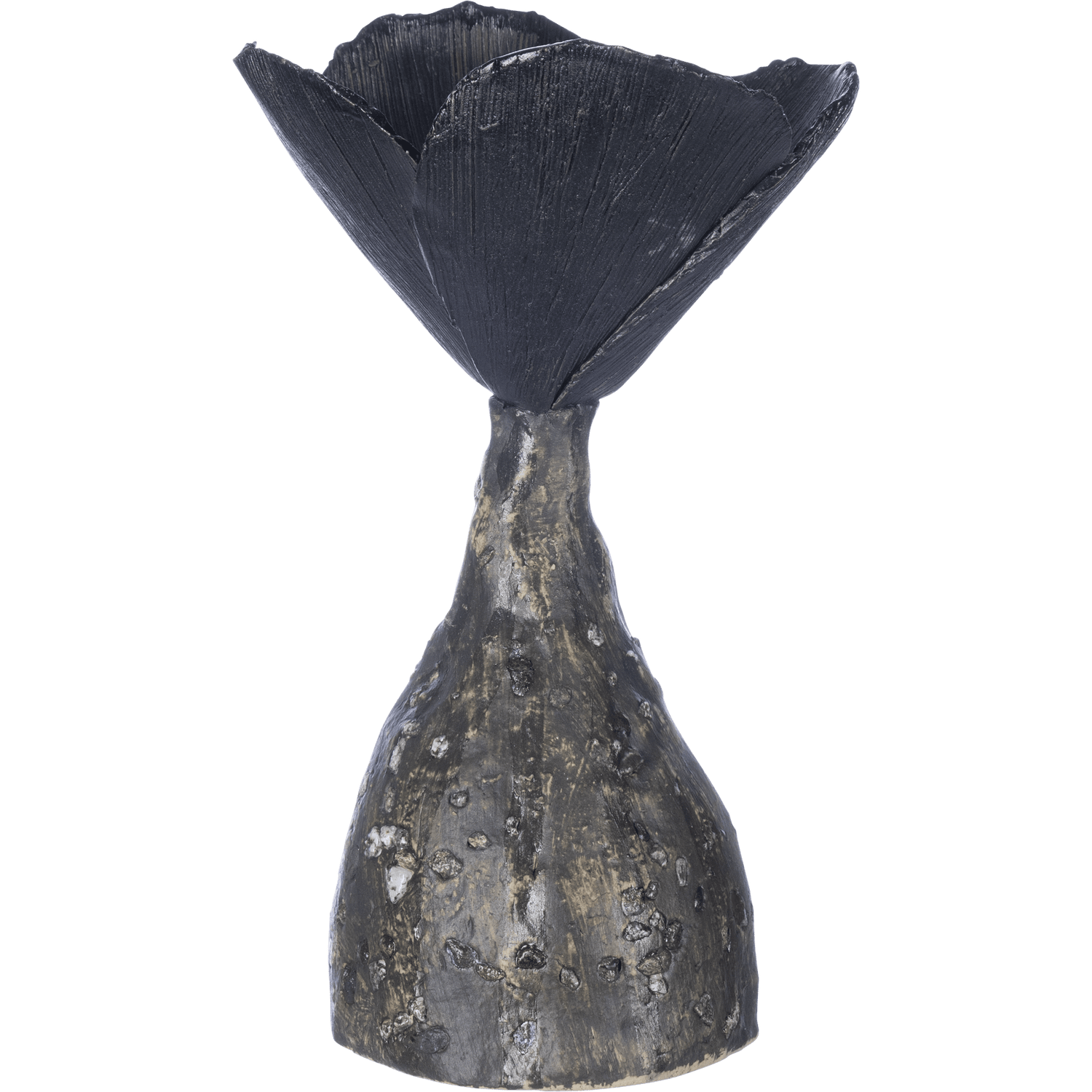
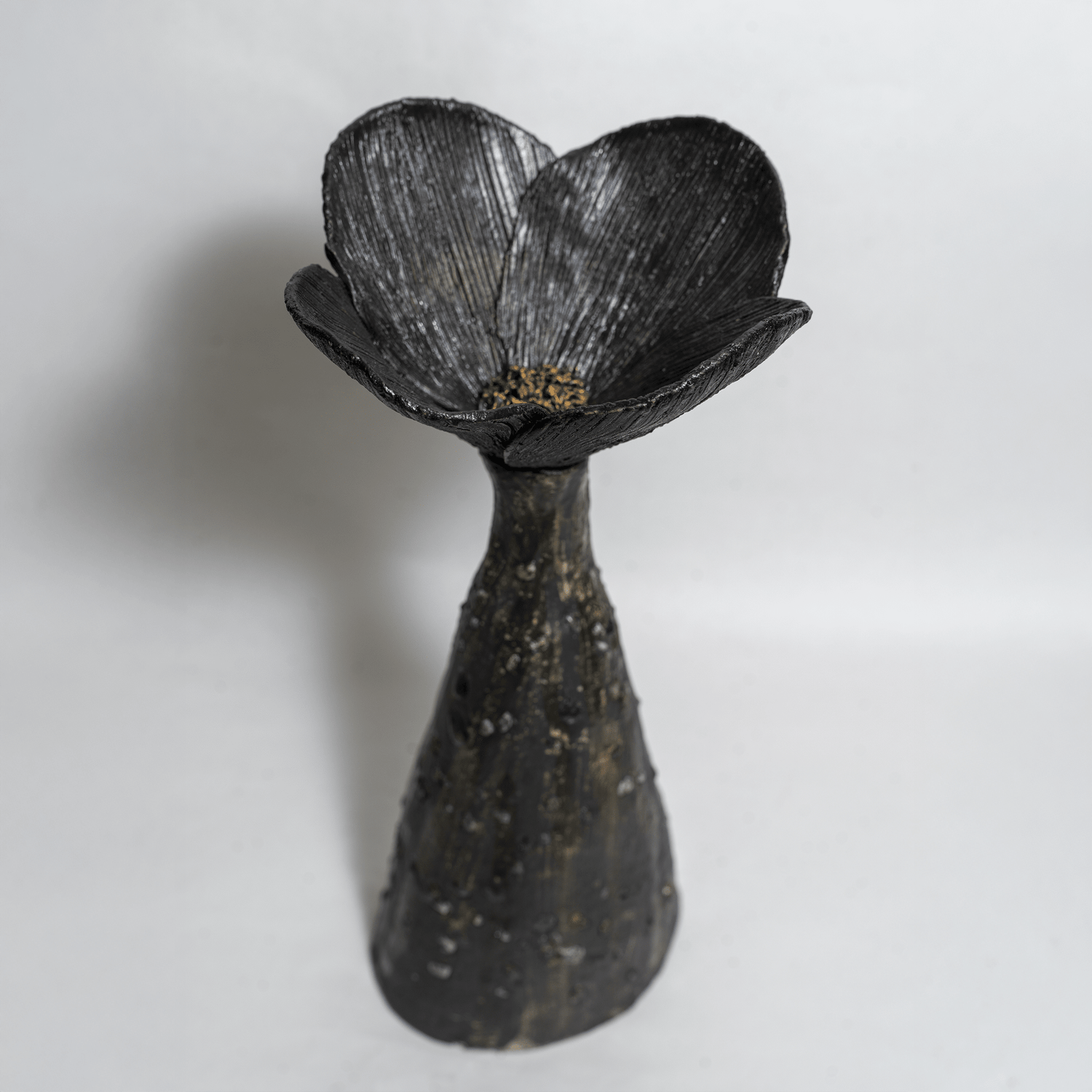
Studio Kukkaveistos
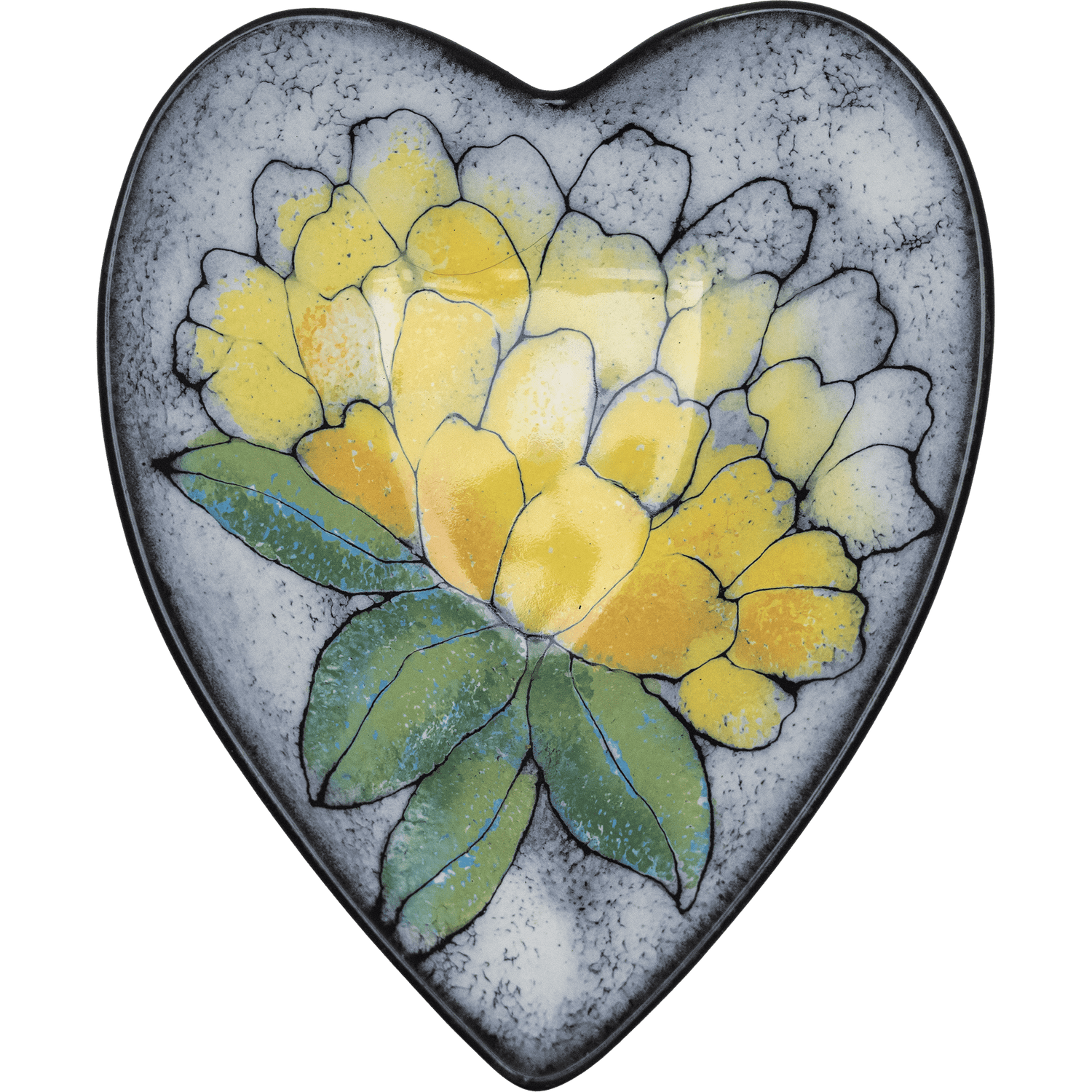
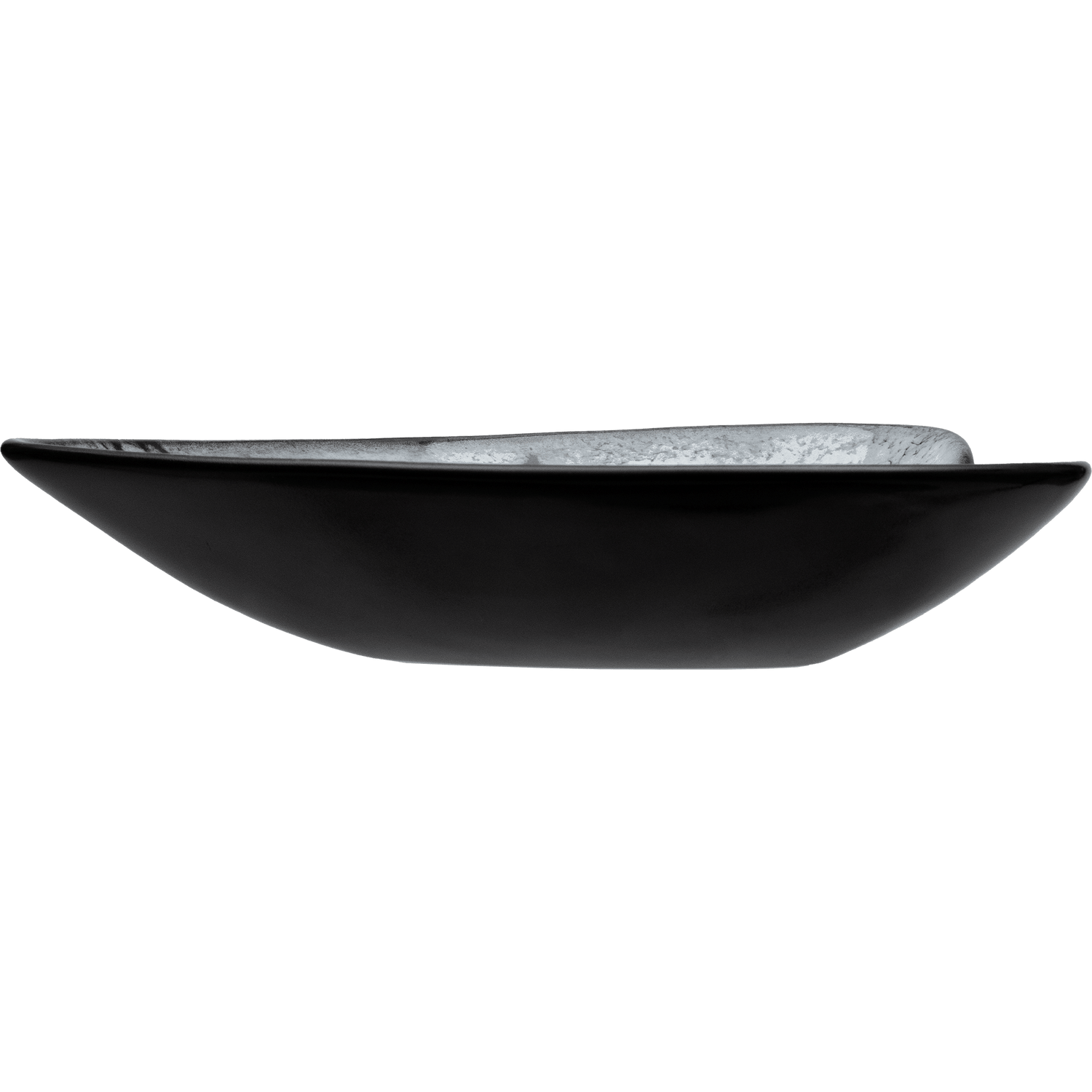
Voikukka Studio Heart Bowl
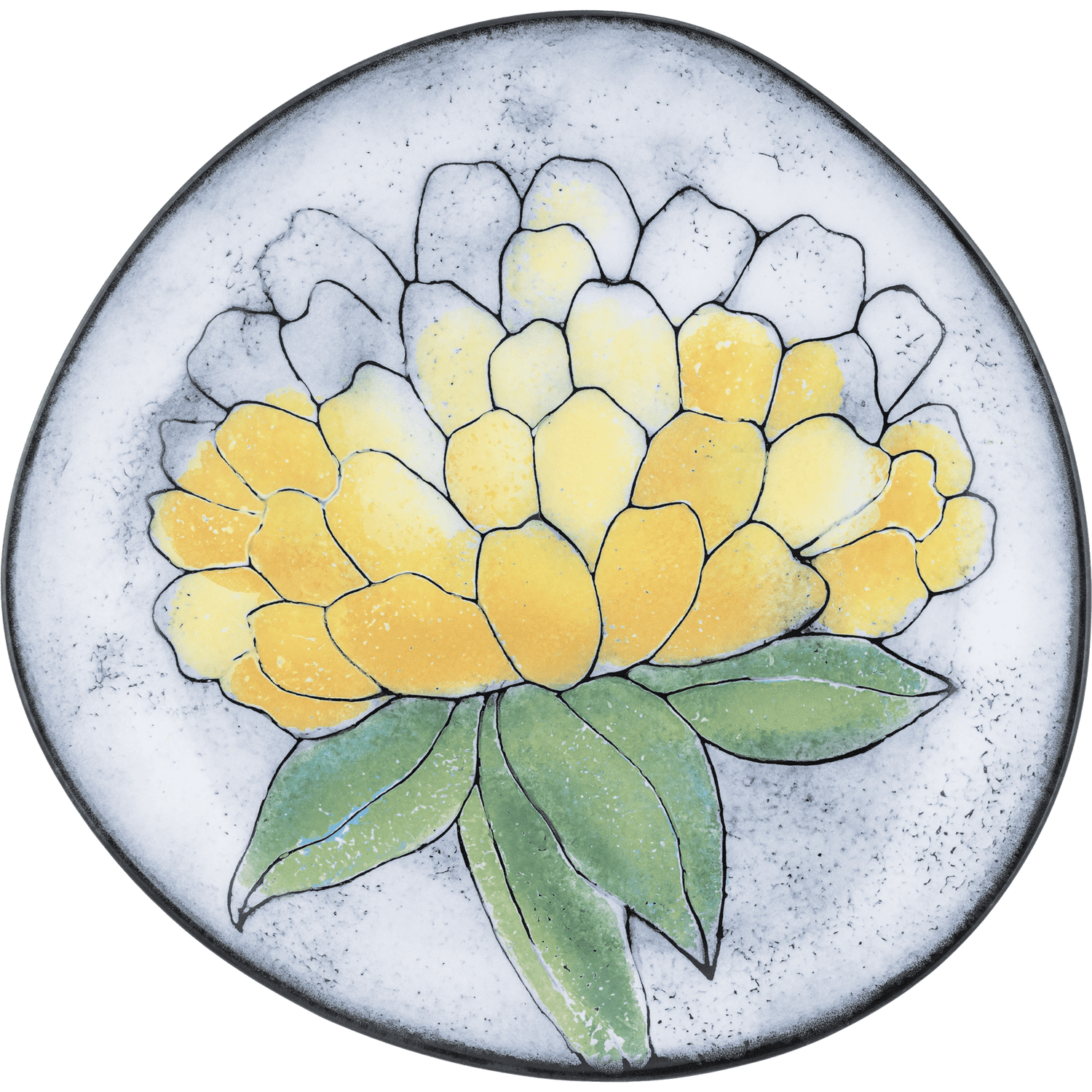
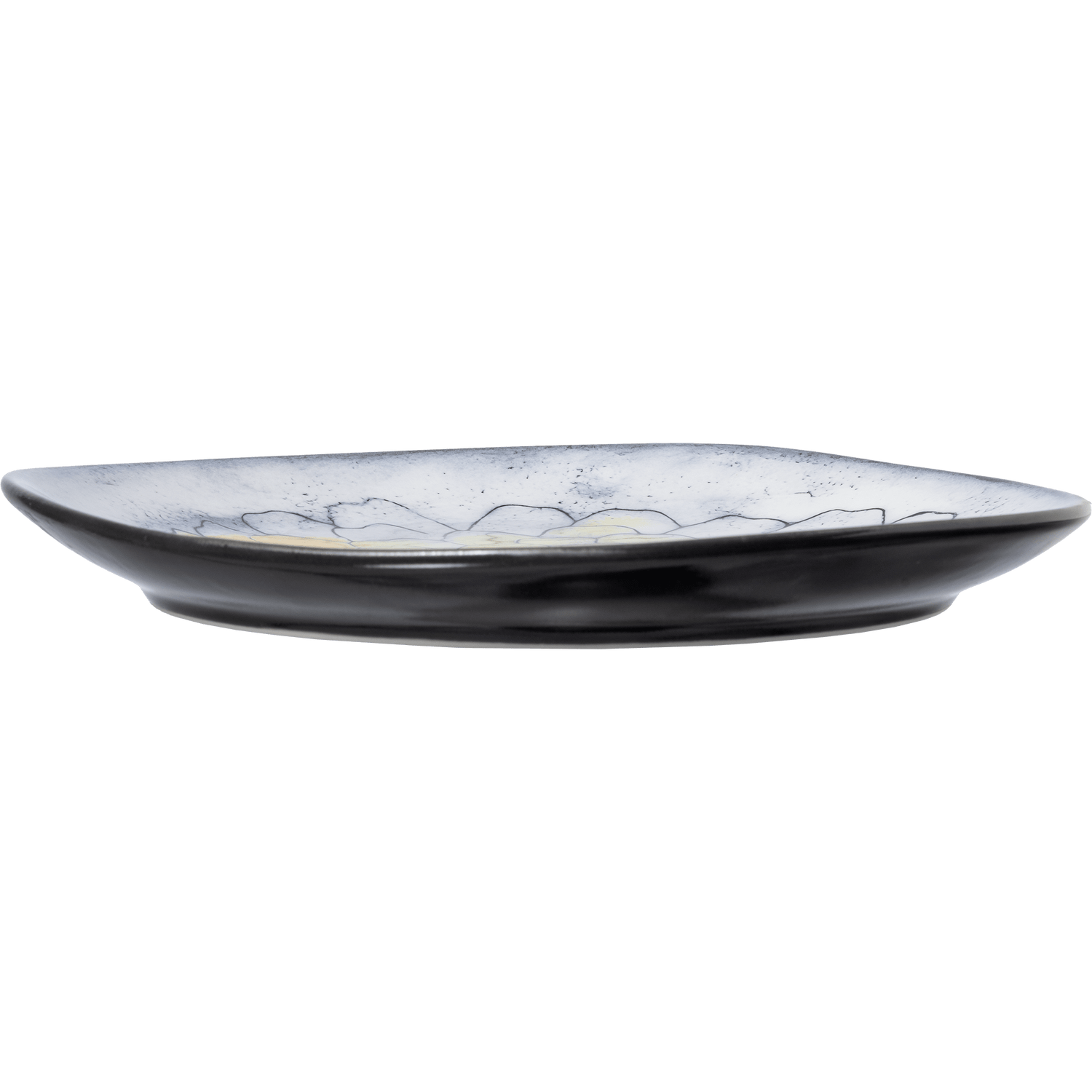
Voikukka Studio Triangle Plate
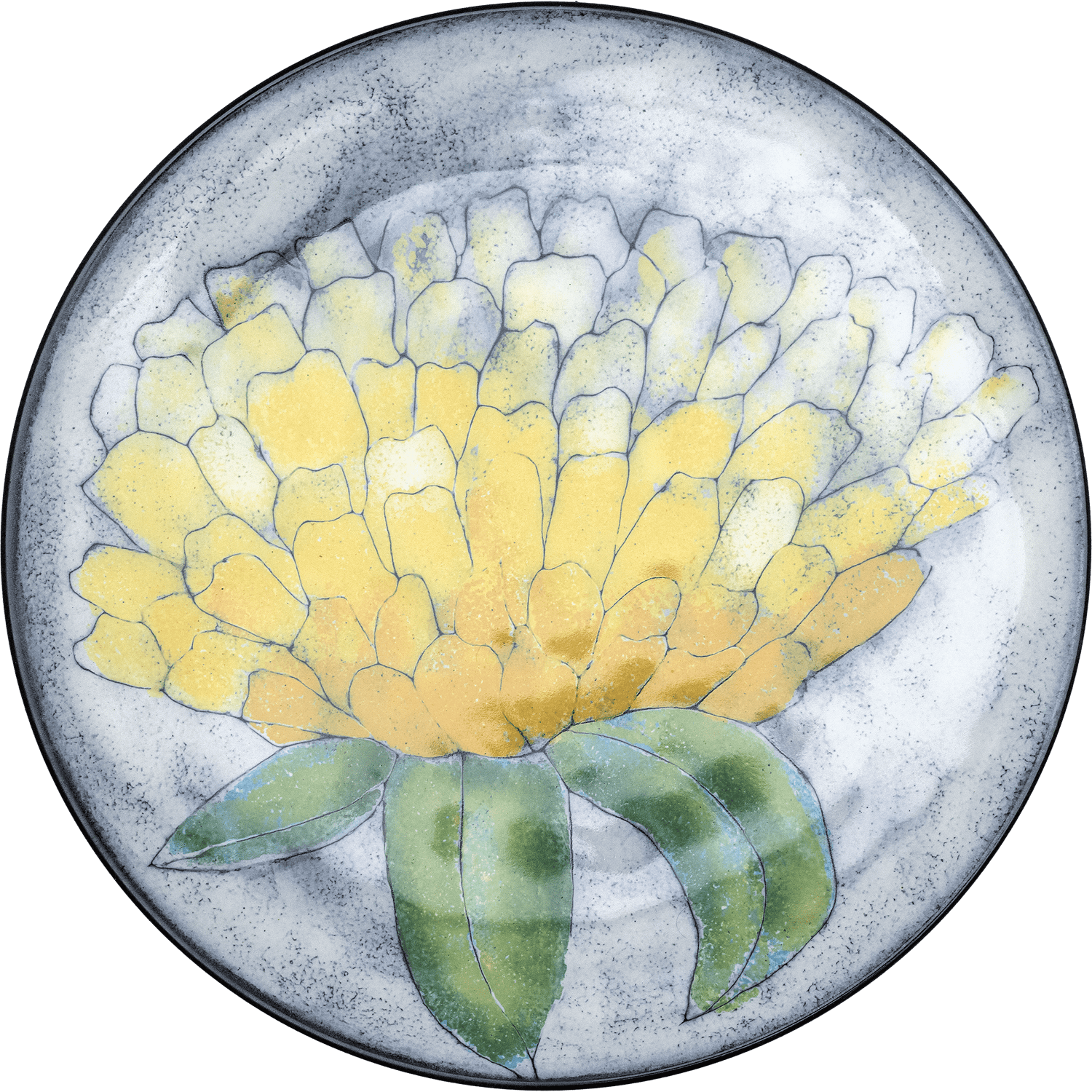
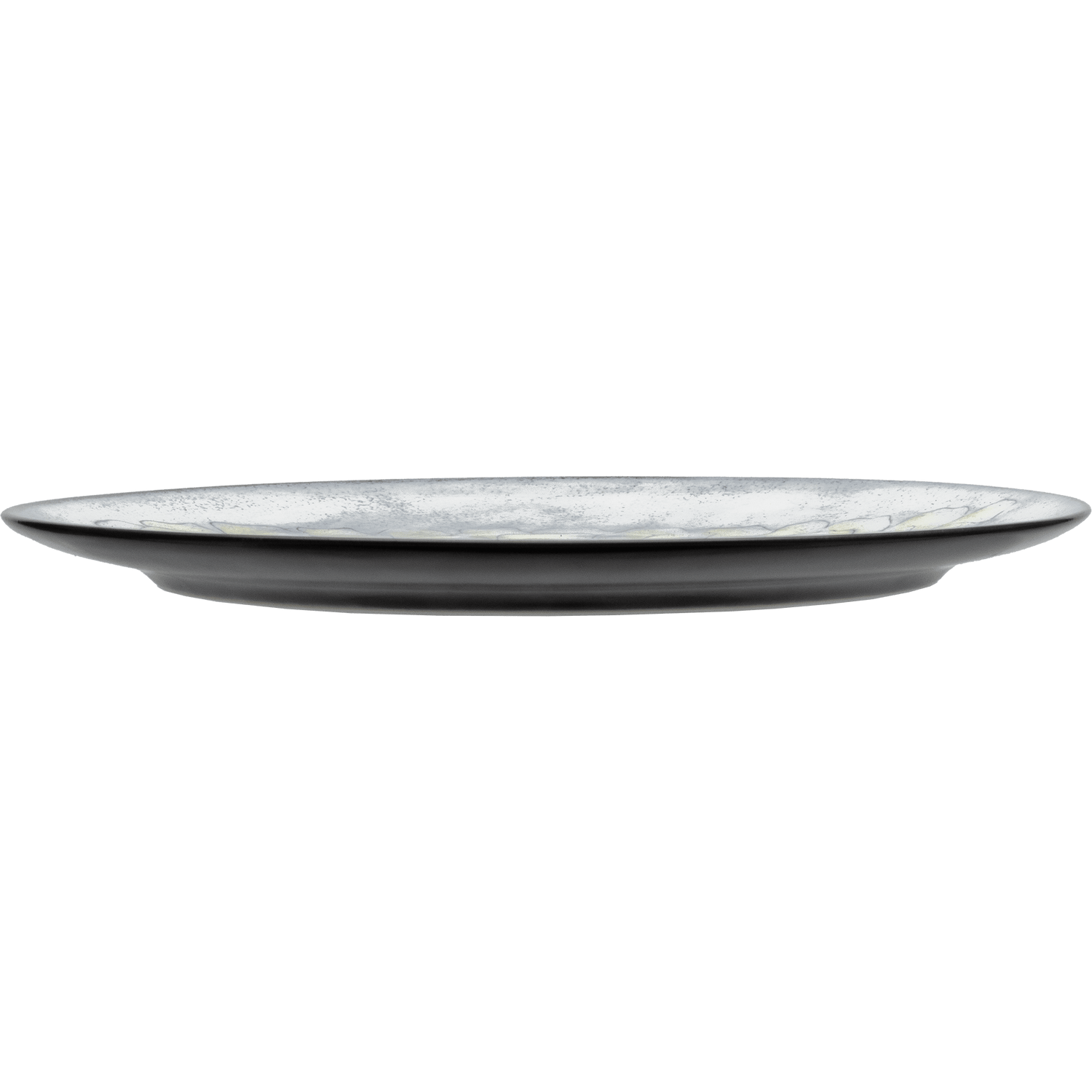
Voikukka Studio Plate
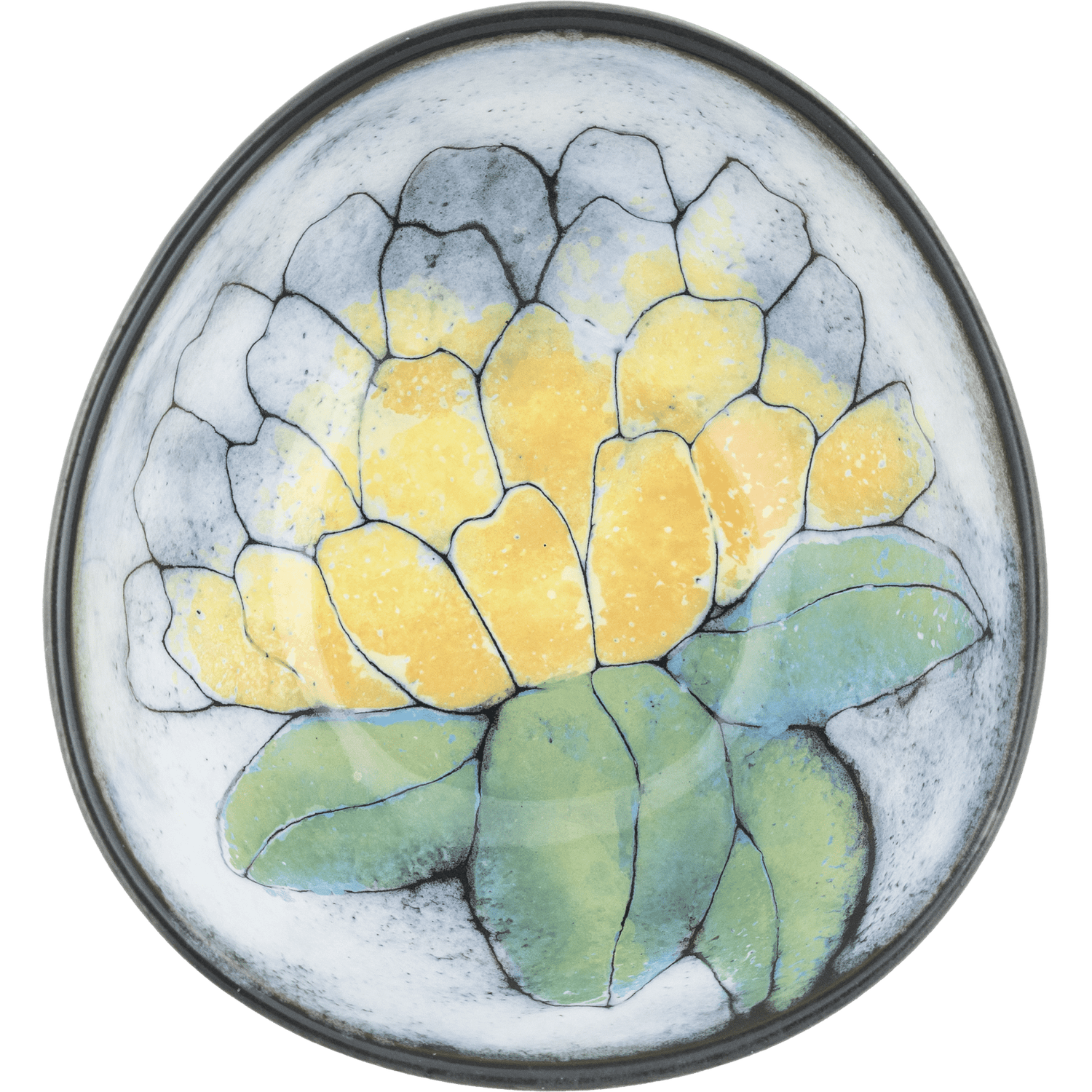
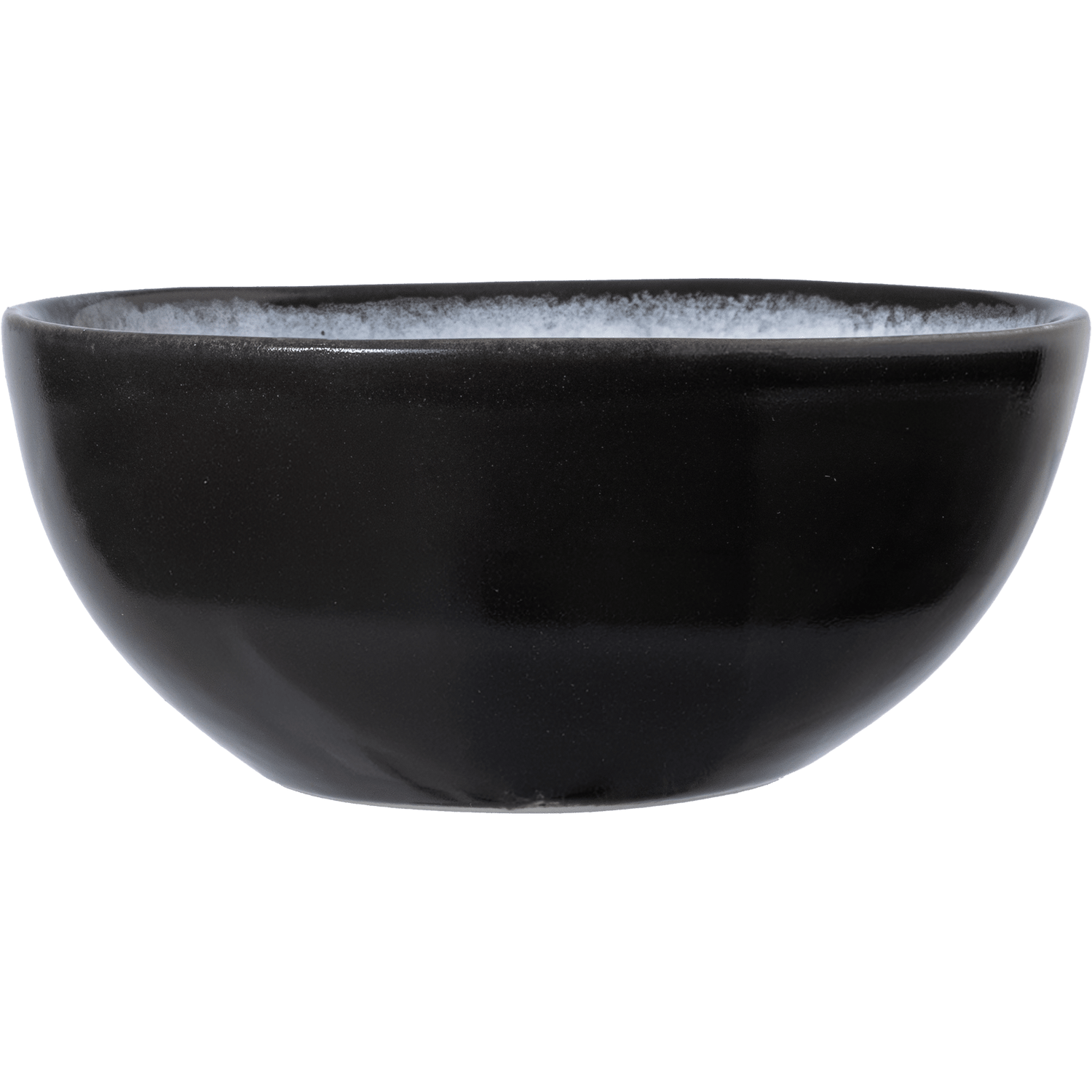
Voikukka Studio Triangle Bowl
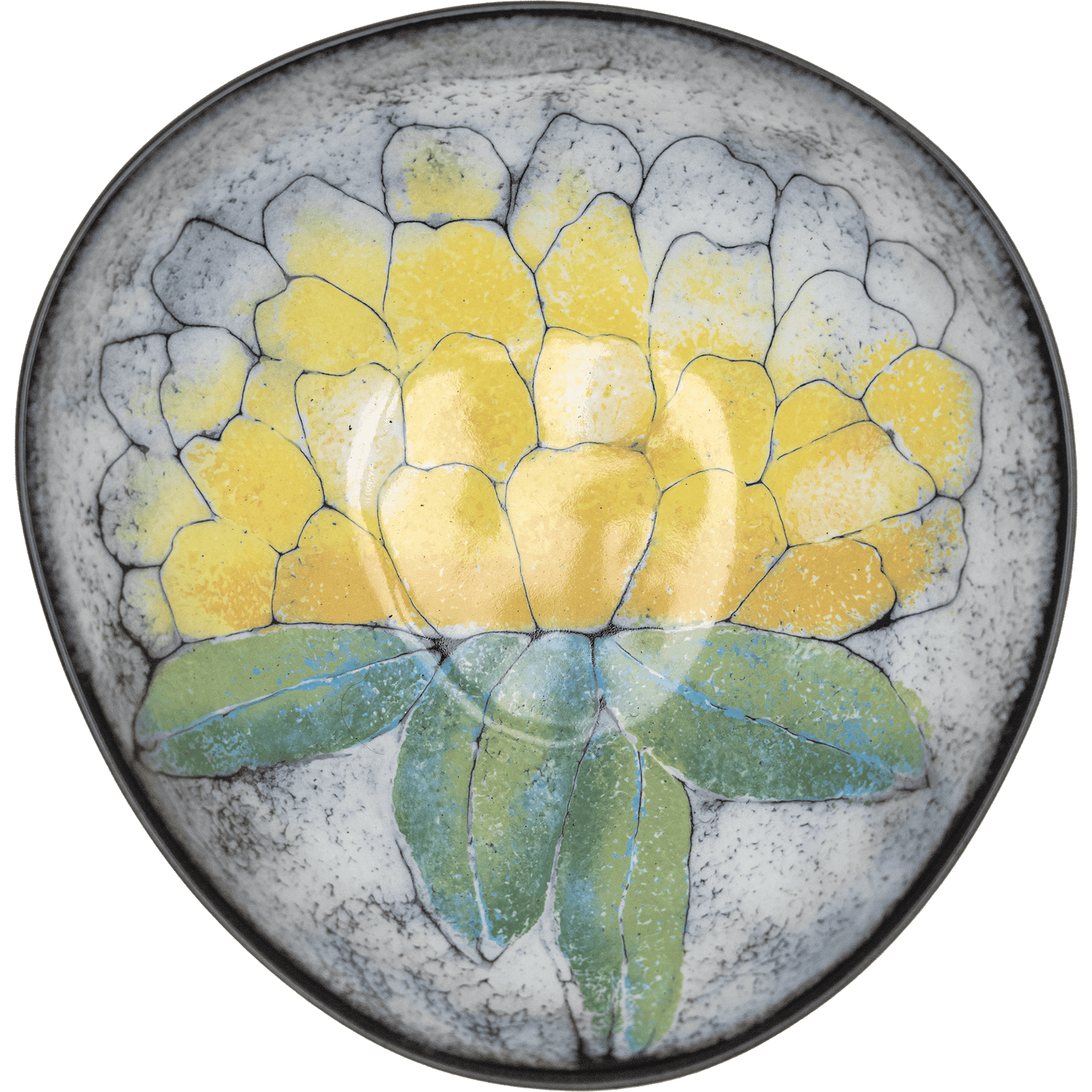
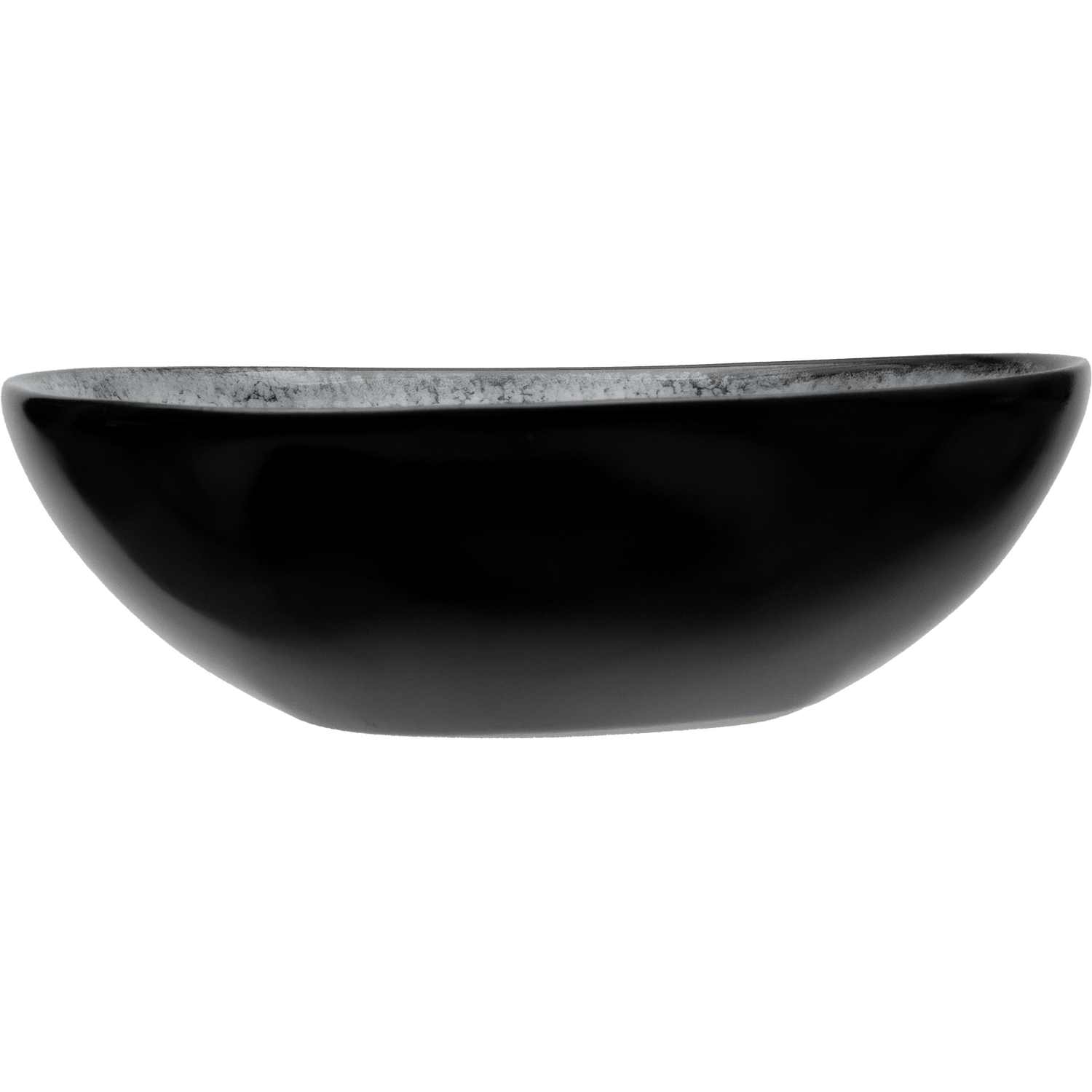
Voikukka Studio Triangle Plate Deep
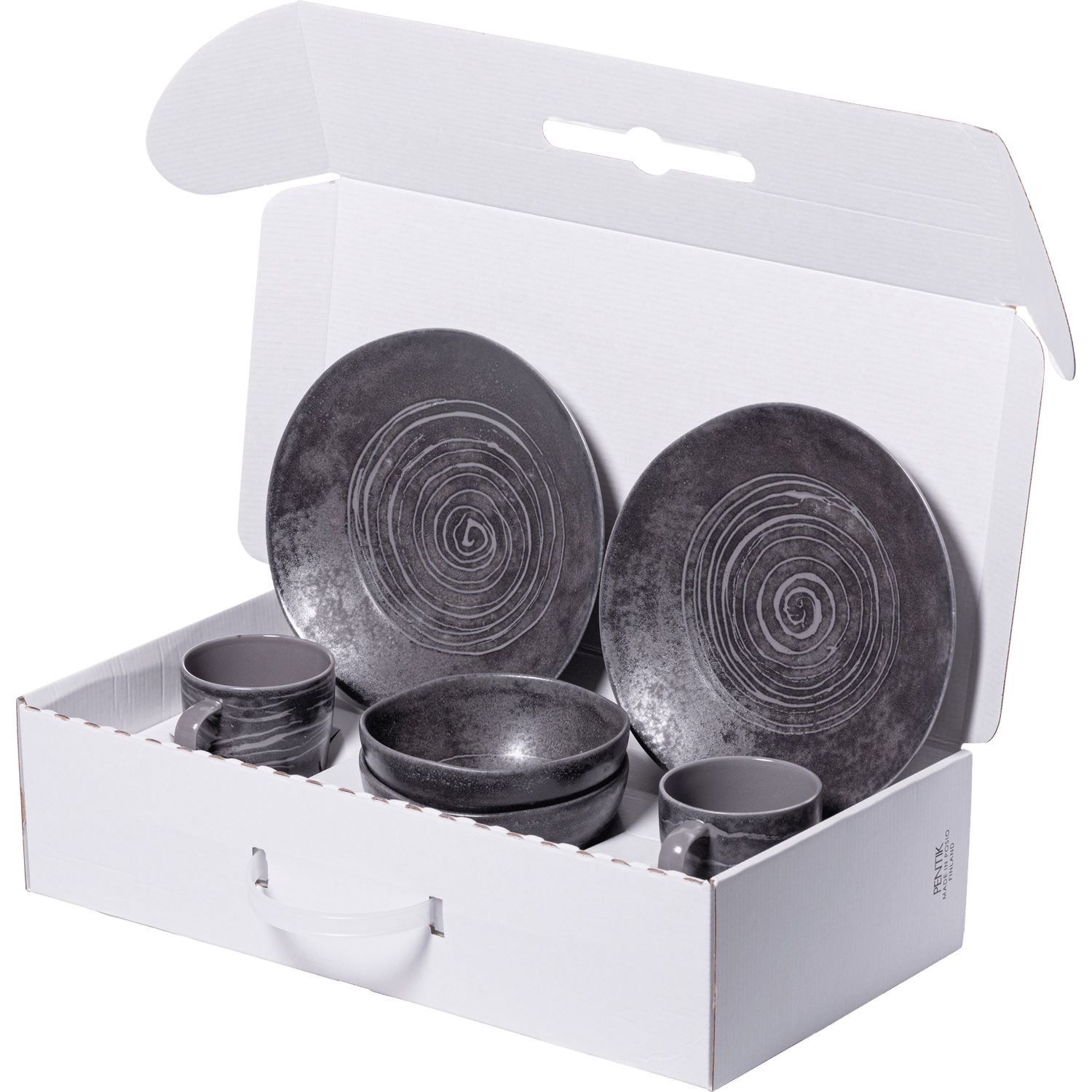
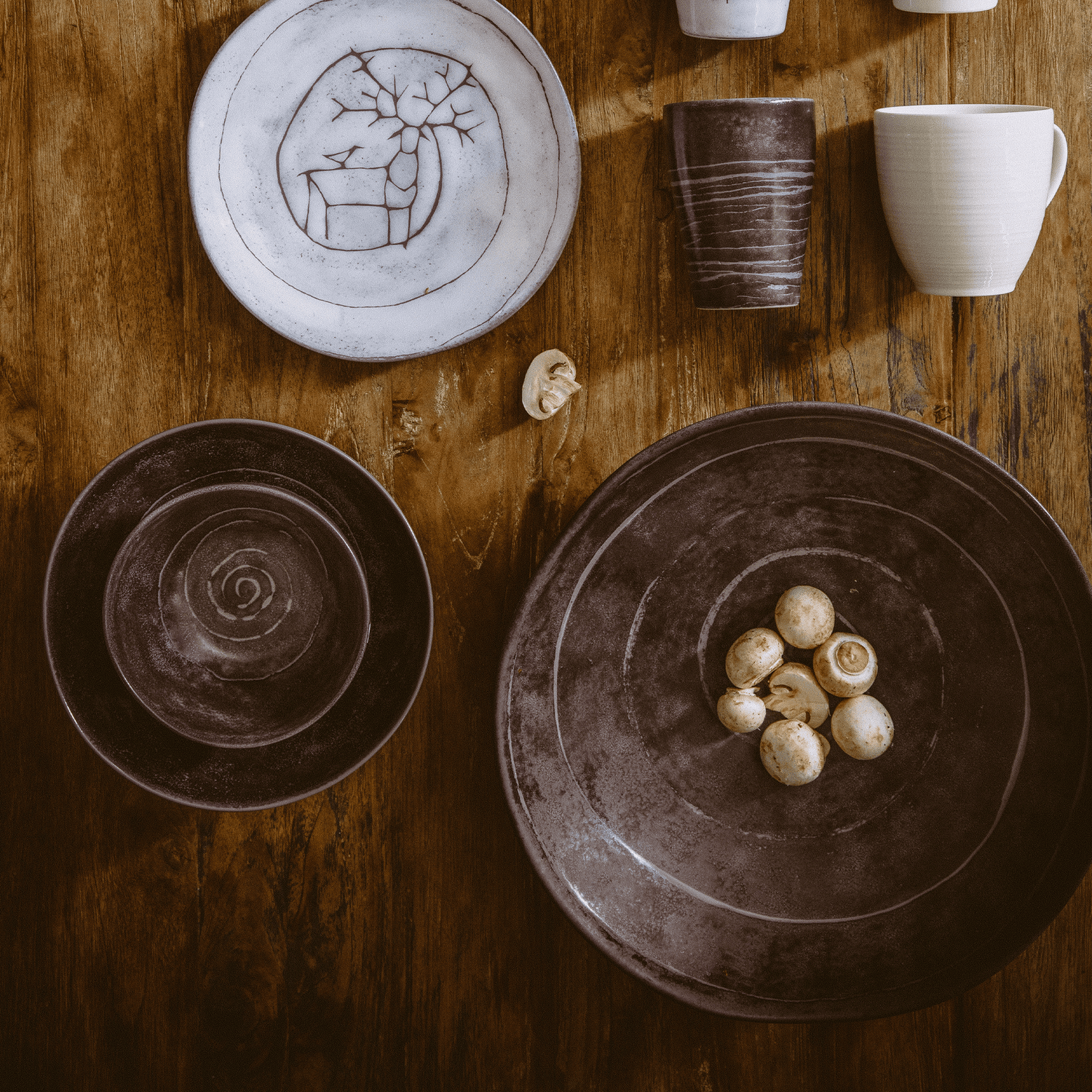
Kivi Ceramics Set 6 pcs
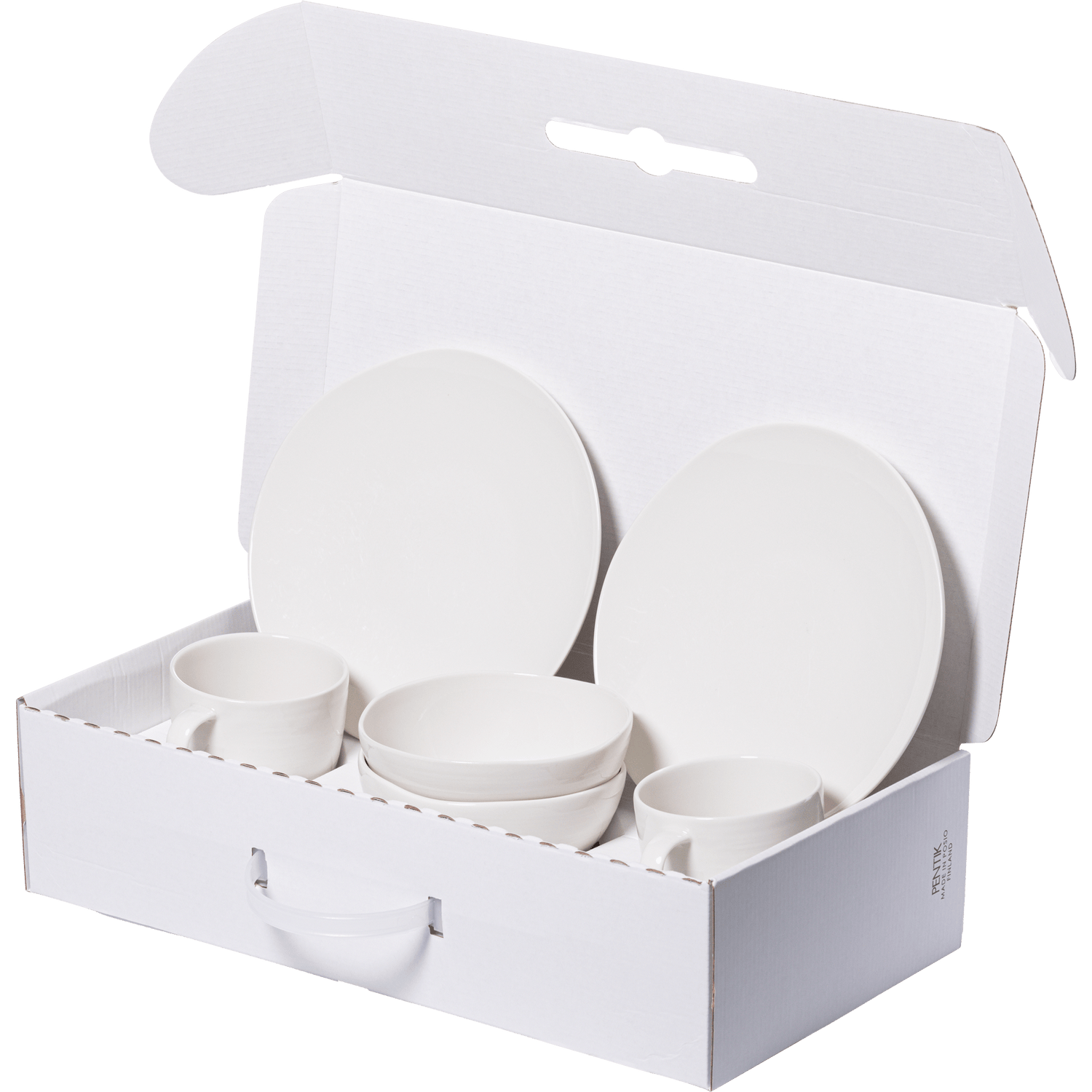
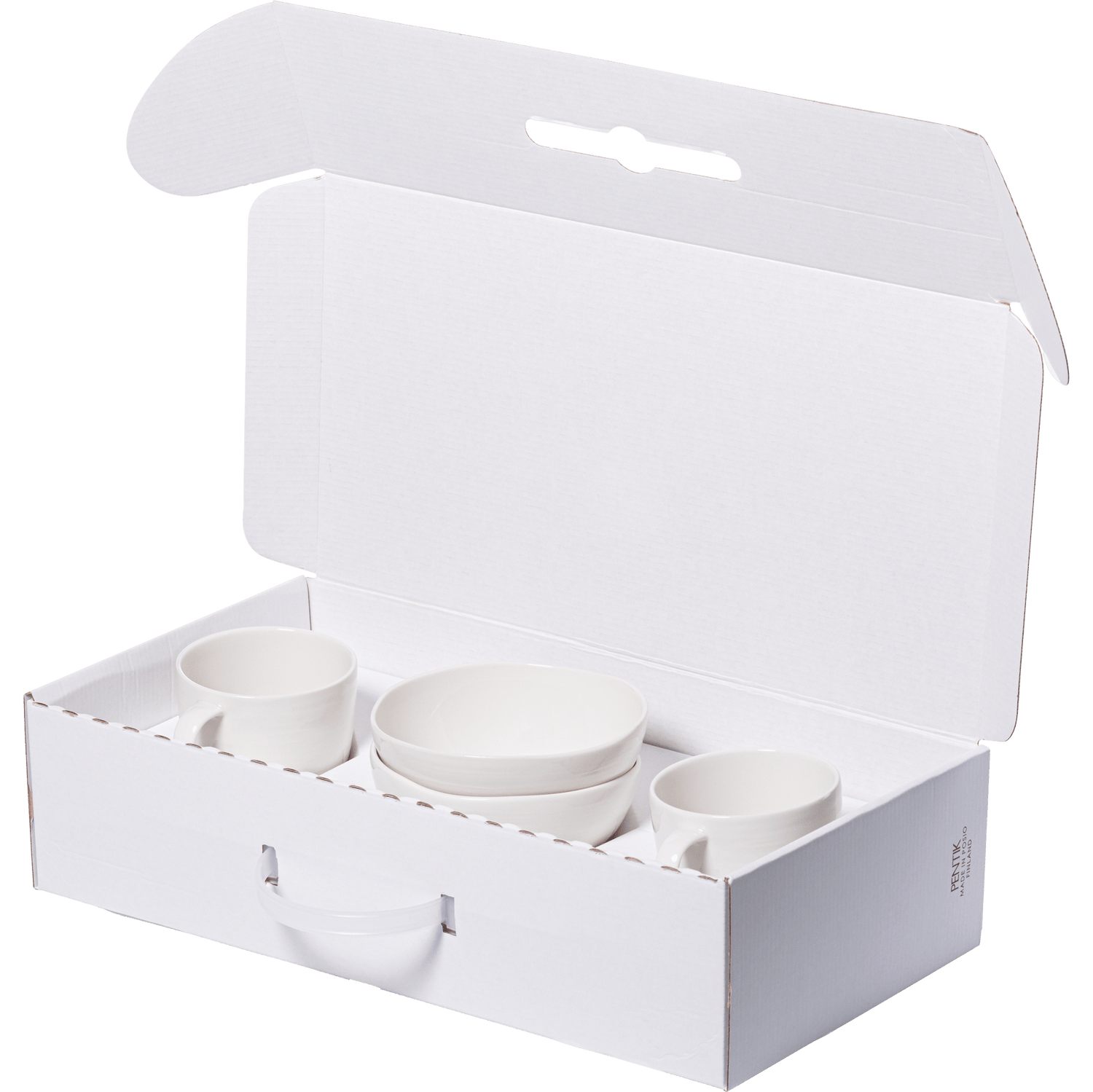
Kallio Ceramics Set 6 pcs
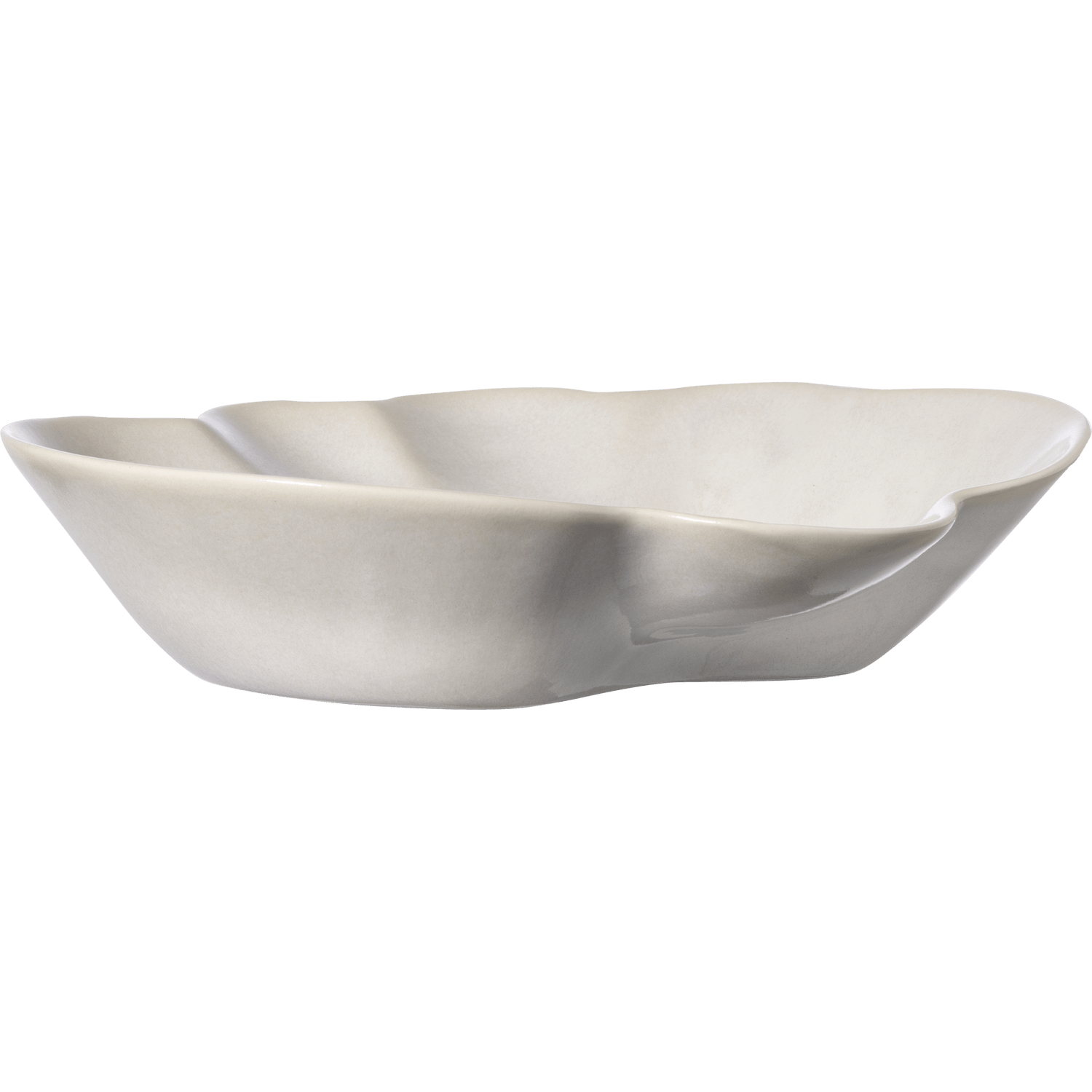
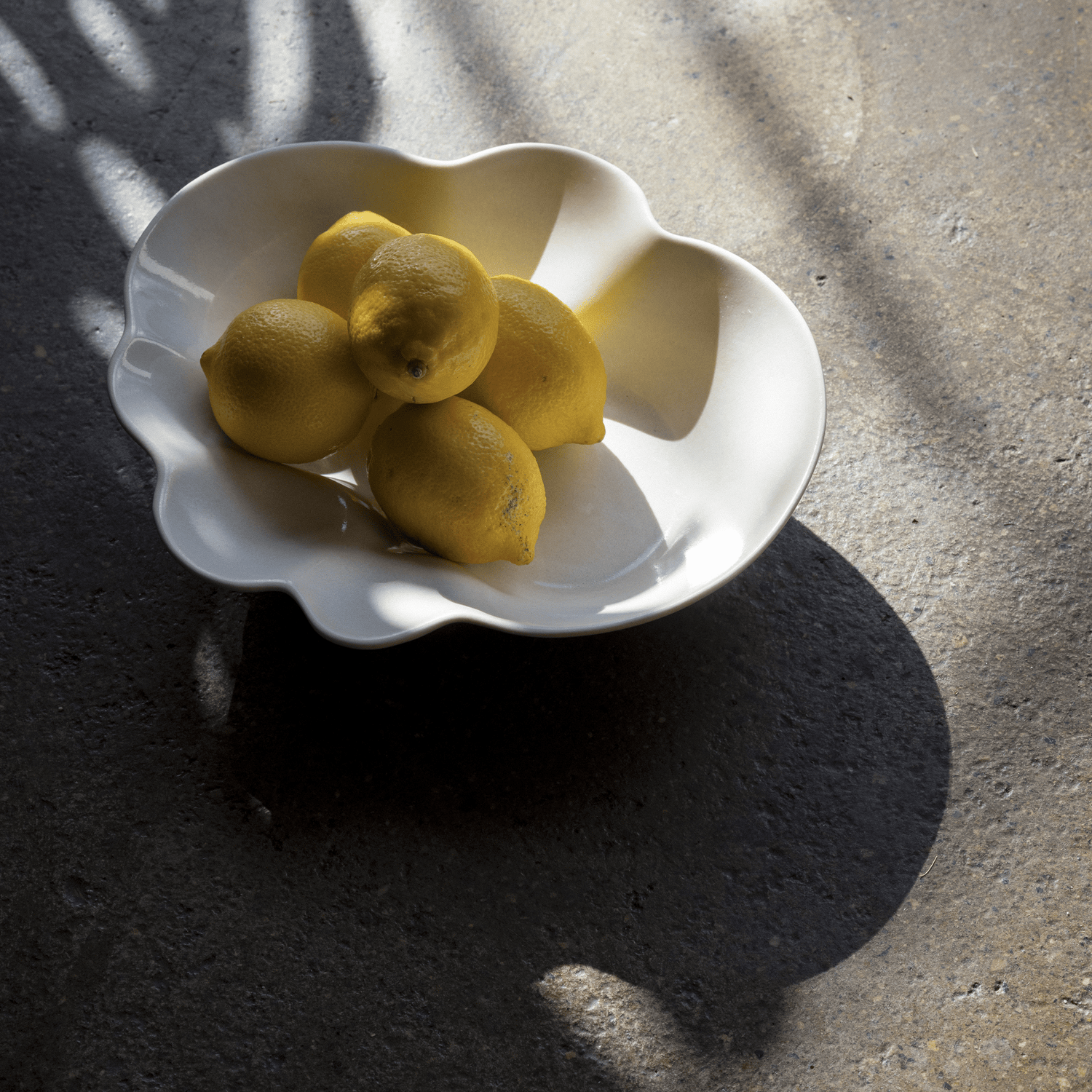
Pahka Serving Bowl
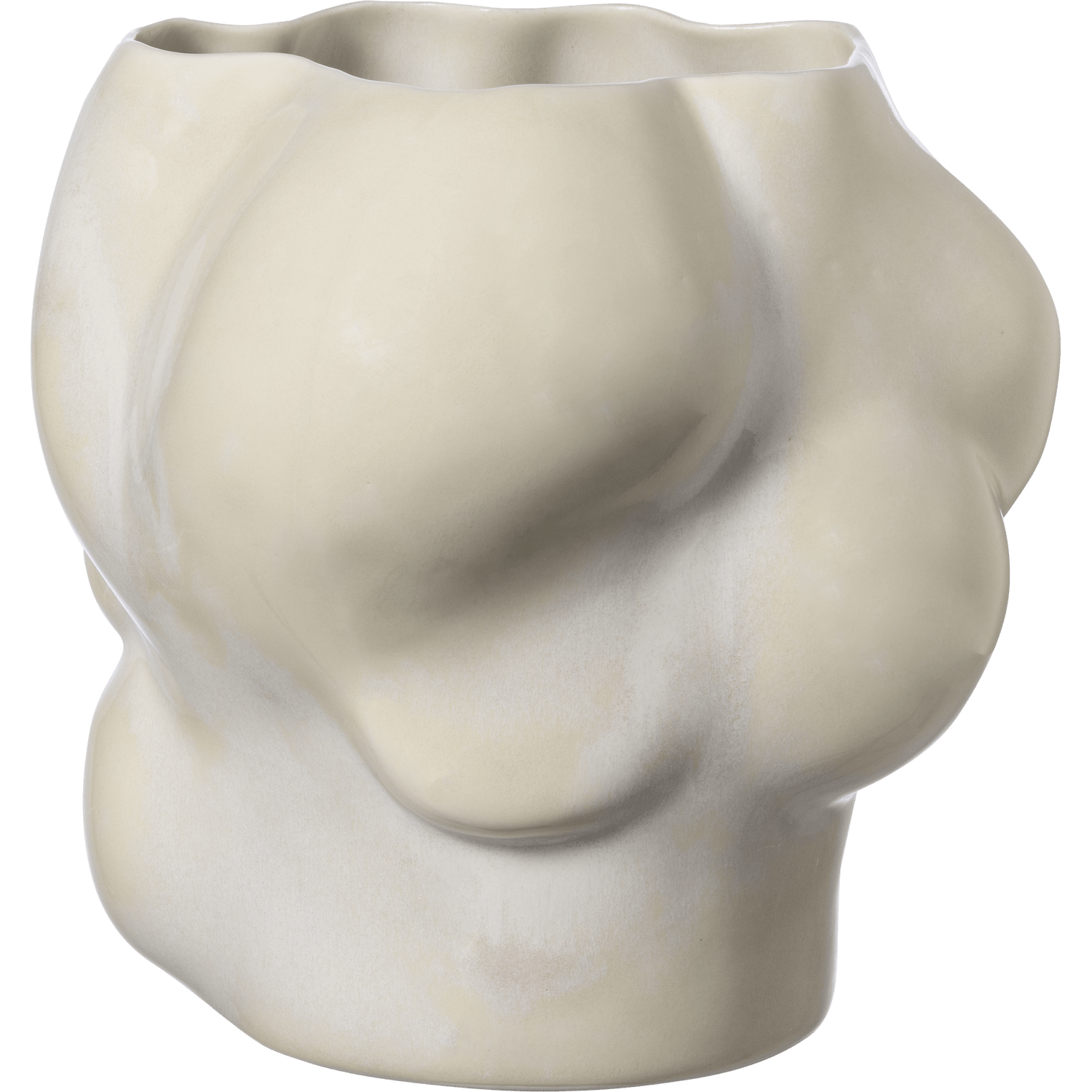
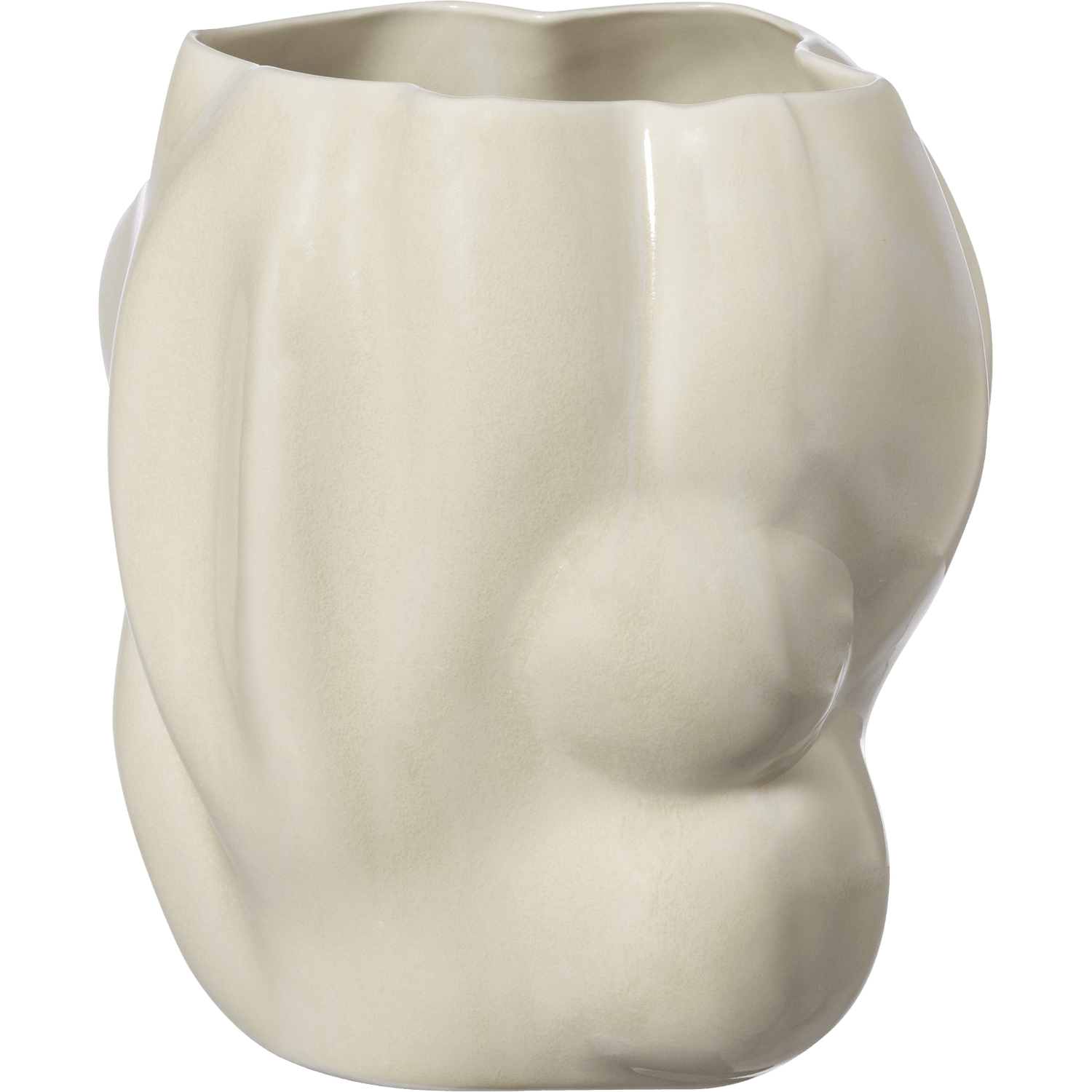
Pahka Vase
A bad name won't spoil the merchandise.
The ceramics factory workers have named all the machines. For example, one machine was initially named Hopeless because it didn't work as expected. However, it later buckled down, and its name was changed to Hope. Pertti was named after an electrician who frequently visited the factory. The newest arrival is named Impi.
Handmade beauty
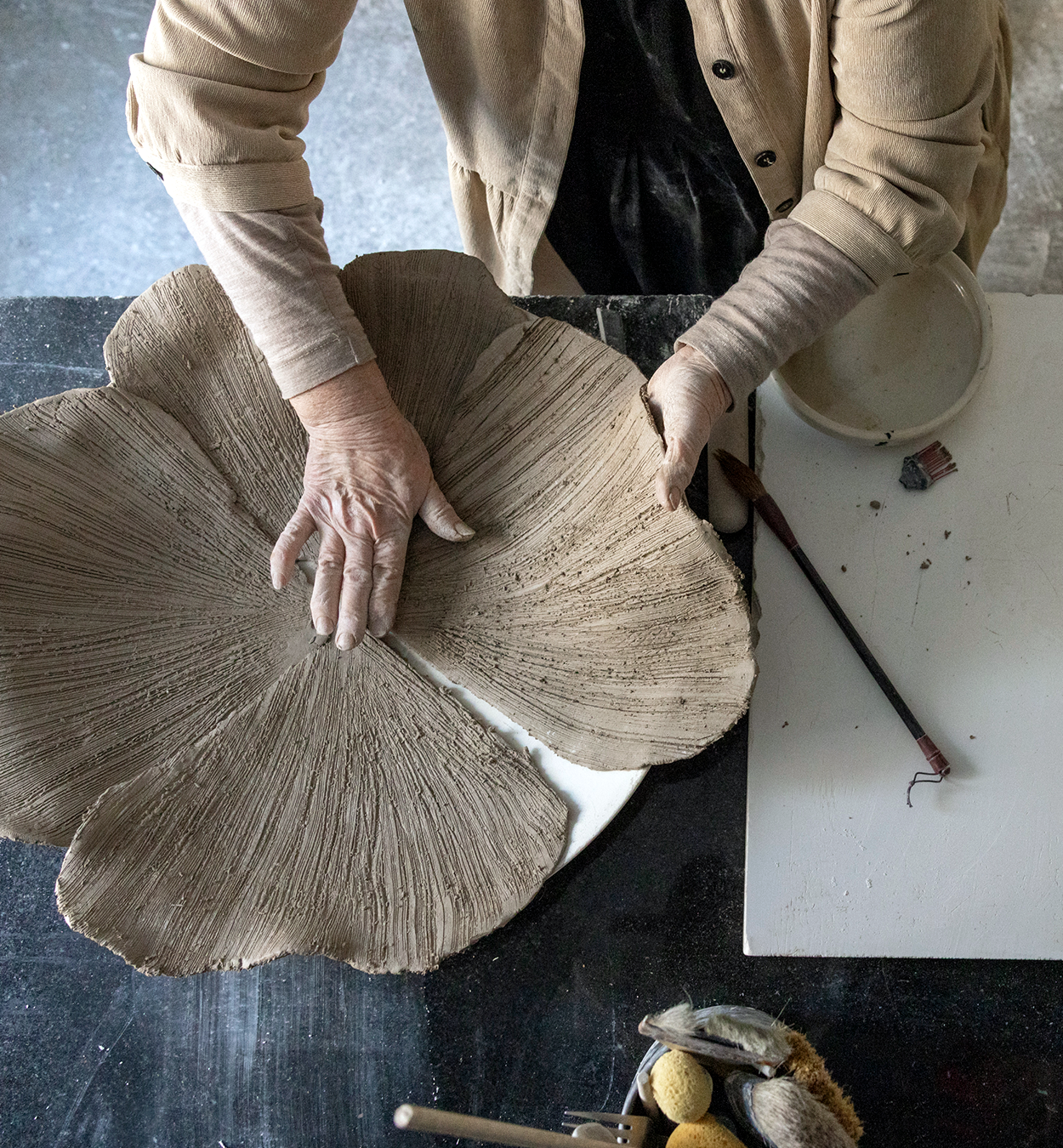
The factory's special expertise lies in stencil decoration and painting art ceramics with self-developed art glazes. Pentik Studio art ceramics are decorated by hand using various tools and painterly techniques, but handicrafts are also employed for many other products. For example, the patterns on Kivi tableware are painted entirely by hand on each item. The patterns for the Haave, Saaga, and Posio series, on the other hand, are created on the dishes using stencils. Ceramic decorations and art are also made by hand.
Responsibility at the core of everything
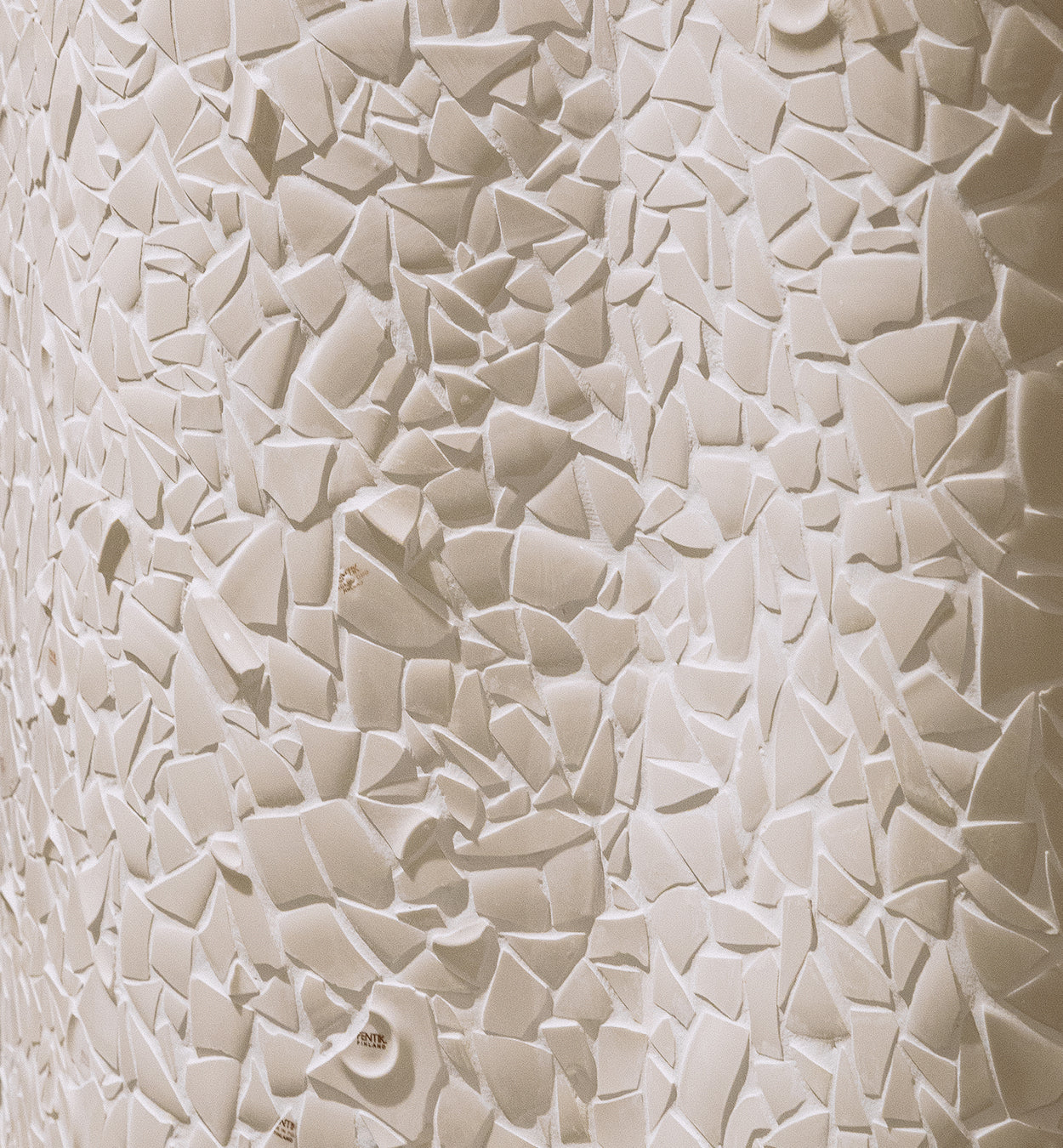
The importance of sustainability in all our operations is paramount. At our ceramics factory, we strive to recycle and utilize raw materials as efficiently as possible. Unfired clay is reused, glazed ceramic items broken during the manufacturing process are repurposed for recycled art pieces, and waste heat generated from firing ceramics is directed for beneficial use in heating our own premises. The electricity we use at the factory is produced with 100% renewable energy sources.


