

Environmental Responsibility
We have worked persistently for Finnish labor and high-quality products for over fifty years. In our responsibility work, we do not aim for a finished state, but rather continuously work towards an increasingly sustainable business. According to our sustainability strategy for 2022-2026, we aim to develop our operations in the four areas of our sustainability commitments and monitor the progress of our work.
Regarding the environment, we are committed to reducing our environmental impact. This means that we respect our environment and protect natural resources by making sustainable choices regarding materials, transportation, and energy consumption.



Environmental efforts progressing
Energy and water consumption
100% of the electricity purchased by Pentik is produced with renewable energy, and the logistics center in Posio is heated with wood pellets. At the factory, we utilize the waste heat generated from firing ceramics to heat domestic water and our facilities.
Environmental work progresses
Packaging materials
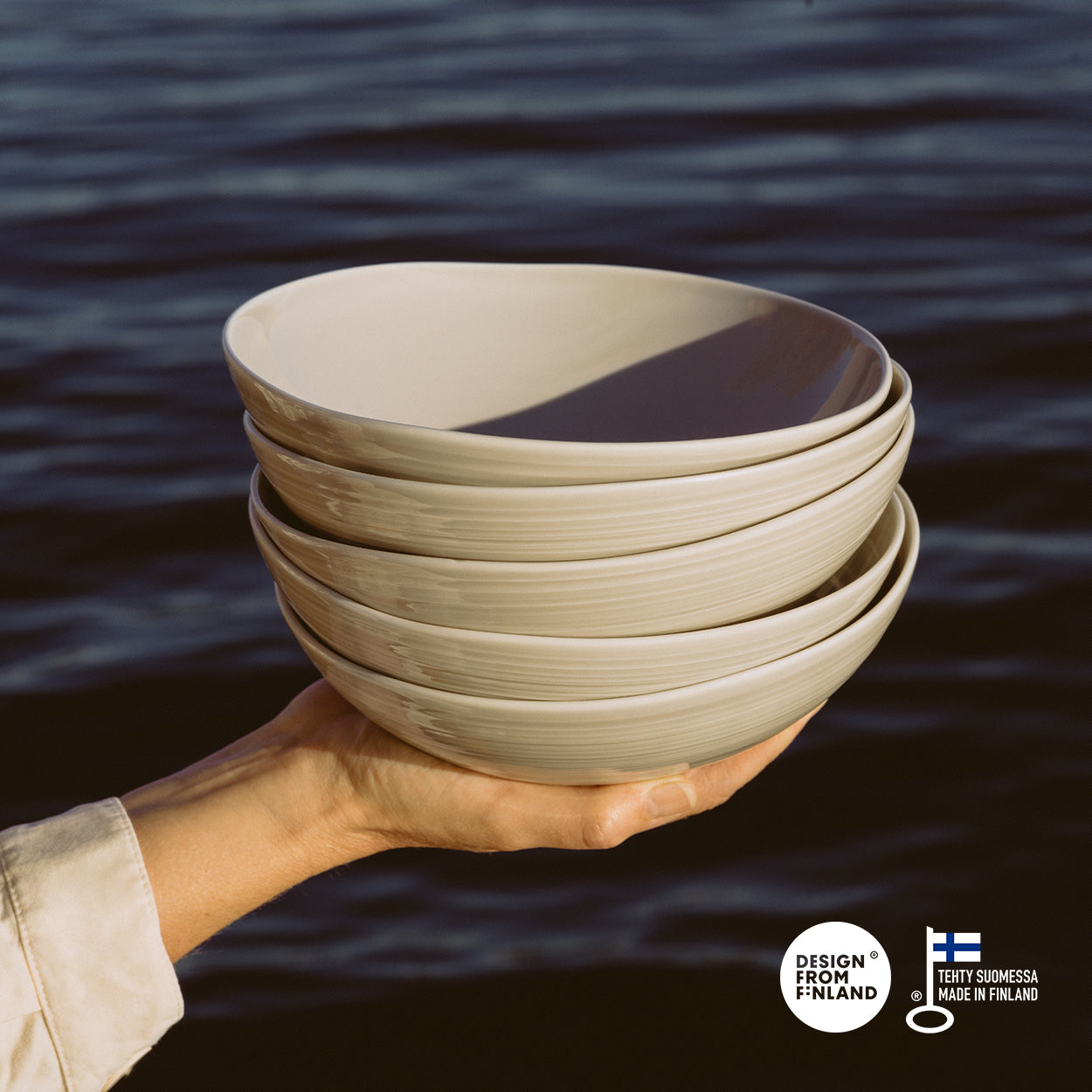
We belong to the Rinki producer community, through which we fulfil our statutory producer responsibility for packaging. All our packaging materials are fully recyclable, and when making purchases, we primarily aim to favour Finnish labour. We are currently testing the replacement of plastic packaging with cardboard at our logistics factory.

Environmental work is progressing
Towards a Carbon-Neutral
Ceramics Factory

Approximately 200,000 items, such as utility and art ceramics, as well as ceramic tiles for the construction industry, are produced annually at our factory in Posio, which is the northernmost ceramics factory in the world. Over the years, the factory has been expanded, and its current area is 6,000 m2.

The waste heat generated from ceramic firing at the factory is directed for beneficial use in heating our own properties and domestic water. During 2022, we optimized the factory heating and improved recycling by reducing the number of waste fractions from four to two.

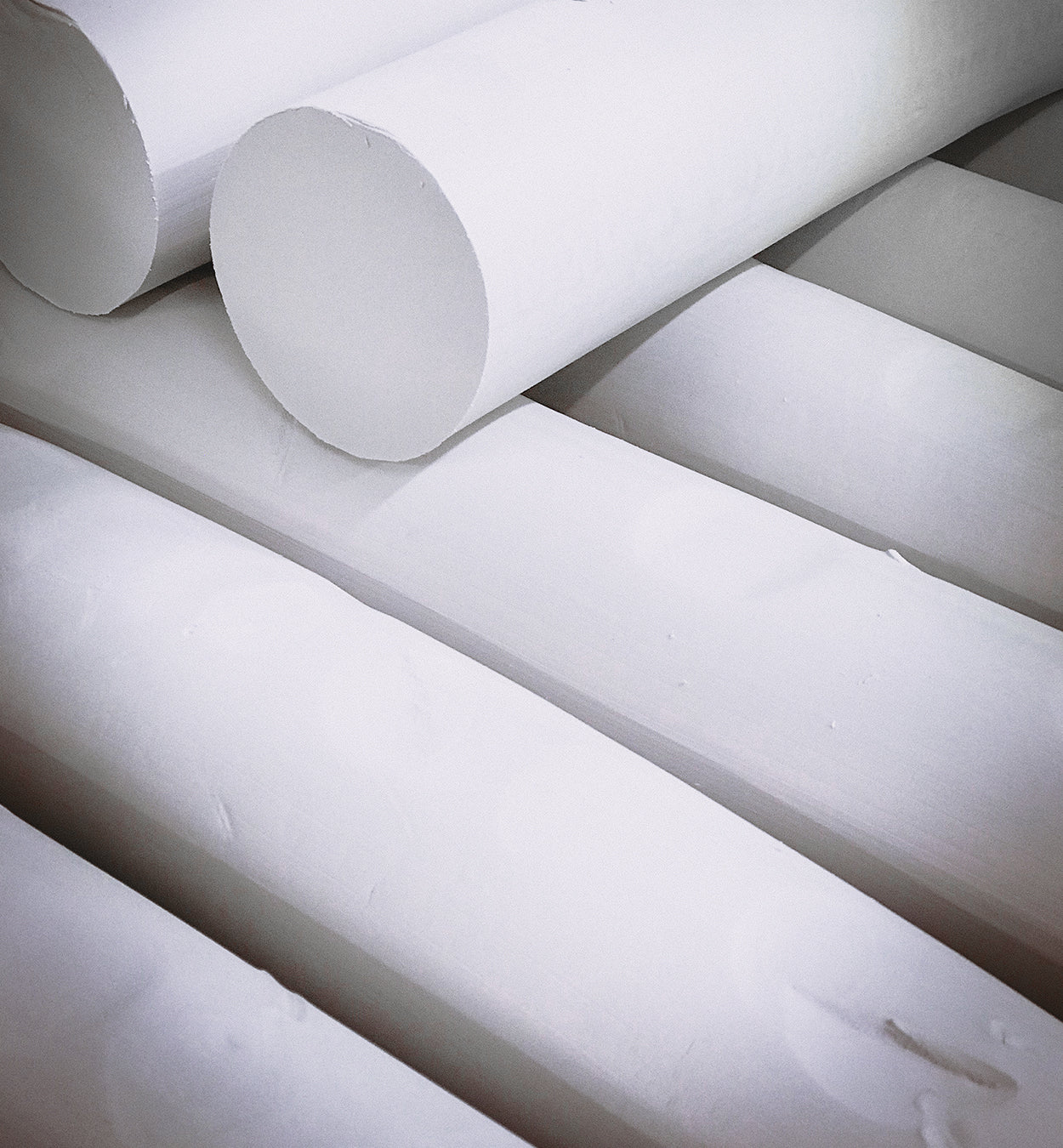
In our own production, we always strive to recycle and utilize raw materials and energy as efficiently as possible. We reuse unfired clay. Approximately 40% of the factory's waste is ceramic waste. Approximately 35,000 kg of ceramic rejects are produced annually, of which approximately 20% ends up as waste. We utilize approximately 80% of broken glazed ceramics. Mosaic is used, for example, in decorating the exterior surfaces of the cash registers in our new store concept.

We replaced the fluorescent tube lighting in the logistics center and factory located in Posio with smart LED lighting. Thanks to this change, electricity consumption decreased by approximately 20% during 2022. The electricity we use at the factory is produced with 100% renewable energy sources.
Environmental work is progressing
Ekokompassi guides our operations
Ekokompassi is a practical environmental management system based on the international ISO 14001 standard. The certificate for this system, aimed at reducing environmental impact, was granted to our ceramic factory in Posio in February 2022 and has been audited by an independent third party. As part of the system's audit process, we made an environmental promise: we will reduce energy consumption at the factory by 10% by 2024 by optimizing the use of electricity and heating energy. We are also developing recycling at the factory and systematically reducing the amount of waste. Our goal is for our factory to be carbon neutral* by 2035.
*This goal is based on the Greenhouse Gas Protocol standards and considers Scope 1 and Scope 2 emission boundaries.
environmental work is progressing
We calculated our carbon footprint
During spring 2022, we initiated a company-wide carbon footprint calculation. The calculation was performed in accordance with the GHG Protocol for the calendar year 2021 and took into account the direct, indirect, and other indirect emissions of our business (scopes 1, 2 & 3). This calculation is Pentik's first emissions inventory, against which future calculations will be compared. The calculation allowed us to identify the most significant sources of emissions from our operations. The work continues with the setting of emission reduction targets and measures for the coming years. We will report on the progress of this work annually in our sustainability report.



Raw material and sourcing account for a large share of our emissions (approx. 56%), which is typical for a product manufacturing company. Through smart material choices (e.g., increasing recycled materials), we can reduce our emissions in the future.
Emissions are generated, among other things, in the production of raw materials and the manufacturing of materials, as well as from the use of products (e.g., washing and drying). The most significant emission sources from Pentik's materials are cotton (144,262 kg -> 55%) and wool (16,232 kg -> 23%). Although we used 135,28 kg of clay, its emissions accounted for only 2% of all materials.
We also aim to reduce our environmental impact in terms of transport. The most important means of reducing logistics emissions are optimizing transport routes and offsetting carbon dioxide emissions from transport. For example, we use the carbon-neutral Posti Green service for most parcel and freight shipments.


